

Why the Fed Might Skip Rate Cuts in 2026
 Michael Ross
Doubts grow over 2026 Fed rate cuts amid economic resilience, persistent inflation, and political friction.
The widespread expectation that the Federal Reserve would cut interest rates in 2026 is facing growing skepticism from prominent experts. What once seemed like a sure thing is now in question, as a resilient economy and political friction complicate the central bank's path forward.
J.P. Morgan's Chief Economist, Michael Feroli, is a leading voice among those who doubt any cuts will materialize this year. "If you look at financial markets or GDP growth, it doesn't really feel like rates are restrictive when we see how strong those variables are performing," Feroli stated in a CNBC interview, pointing to recent retail sales data as evidence. "I think the case for a cut in the near term is pretty weak."
This outlook contrasts sharply with financial markets, which are currently pricing in two quarter-point rate cuts for 2026, according to the CME Group's FedWatch tool.
Economic Data Pushes Back Against Rate Cuts
The Federal Reserve operates under a dual mandate: maintaining high employment and ensuring price stability. After cutting the federal funds rate by three-quarters of a point in late 2025 due to fears of a job market slowdown, recent economic signals are now reducing the pressure for further stimulus.
The Job Market Holds Its Ground
One of the key arguments for holding rates steady is the labor market's performance. The unemployment rate fell to 4.4% in December, easing concerns about a potential surge in joblessness.
Feroli noted that the unemployment rate "isn't looking quite as worrisome as it was, let's say, a few months ago," a factor that led him to remove his forecast for 2026 rate cuts. David Doyle, head of economics at Macquarie Group, shares this sentiment, telling Morningstar, "our view is that the data will guide them toward not cutting."
Inflation Remains Stubbornly High
The second major economic hurdle is persistent inflation. Despite some cooling in December, inflation remains well above the Fed's 2% annual target.
Former Boston Fed President Eric Rosengren told Bloomberg TV that inflation has shown little sign of cooling sufficiently. Feroli added that he expects the Personal Consumption Expenditures (PCE) Index, the Fed's preferred inflation gauge, to show an annual rate above 3%.
Political Headwinds and Fed Independence
Beyond the economic data, political dynamics could play a decisive role in the Federal Open Market Committee's (FOMC) decisions.
President Donald Trump has publicly demanded sharp interest rate cuts. Furthermore, his Justice Department has initiated a criminal investigation into Fed Chair Jerome Powell. These hardball tactics, intended to influence monetary policy, could ultimately backfire.
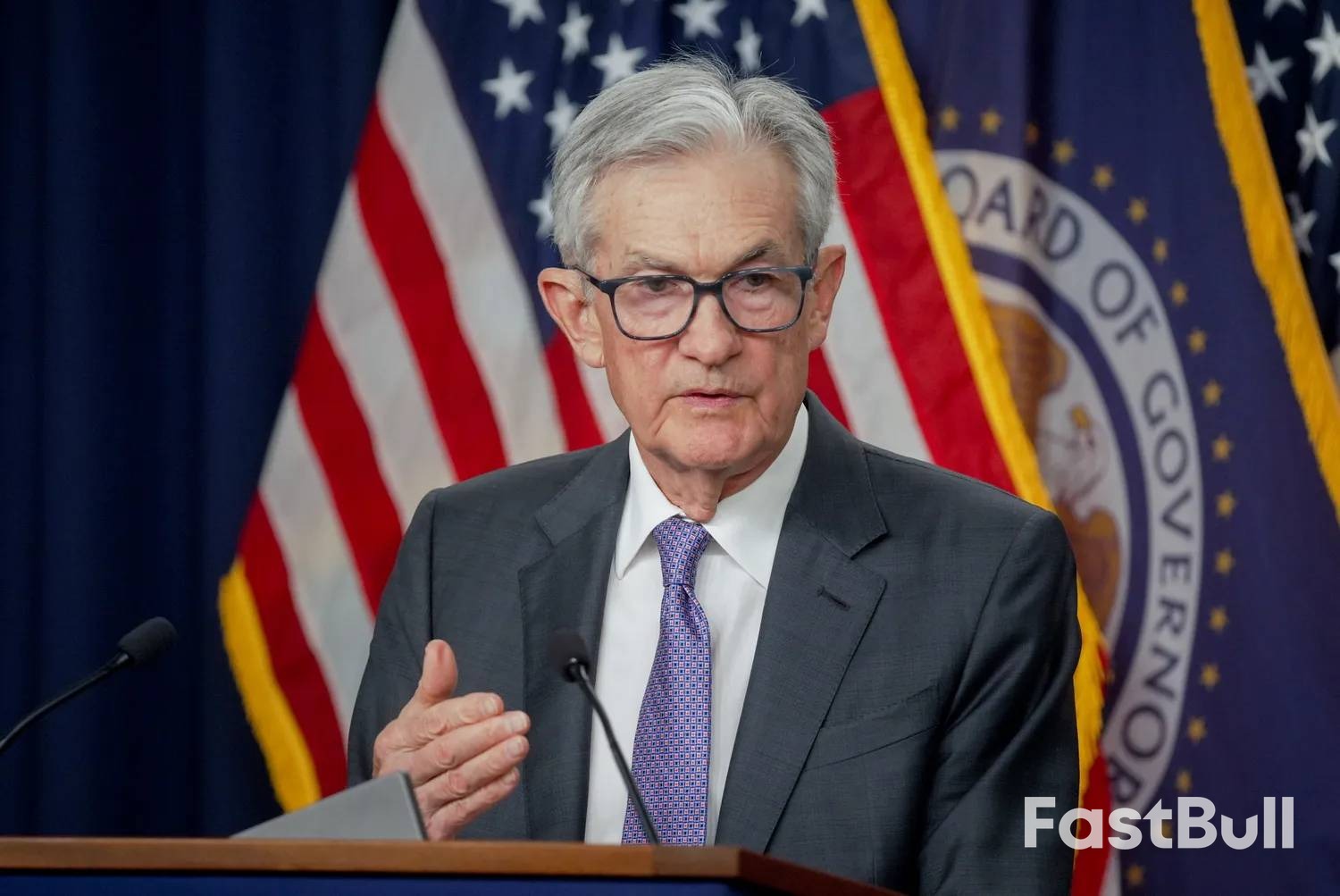
Federal Reserve Chair Jerome Powell faces pressure that could influence the path of interest rates in 2026.
Many analysts believe that such pressure may lead Powell and other Fed officials to resist cuts as a way to defend the central bank's independence. Last week, Powell denounced the administration's "intimidation." Krishna Guha, vice chairman at Evercore ISI, suggested Powell might even stay on as a governor after his term as Chair ends in May to help protect the institution.
Rosengren warned that rate cuts are not guaranteed, even if Trump appoints a new, pro-rate-cut Fed Chair. "It's still not a slam dunk, even with a new Fed Chair, that rates actually decline," he said, especially if "concerns about Federal Reserve independence" motivate voting members to wait for clear economic justification.
Market Expectations vs. Fed Projections
The Fed's own projections from last month reveal a divided committee. On average, officials penciled in a single quarter-point cut for 2026, which would bring the federal funds rate to a range of 3.25% to 3.5%. However, the details showed a split:
• Eight members projected no more than two quarter-point cuts.
• Four members called for more aggressive reductions.
• Seven members leaned against any adjustments at all.
If rate cuts fail to materialize, households and businesses could face higher borrowing costs on everything from mortgages to corporate loans for a longer period, potentially slowing overall economic growth. The divergence between market hopes and the complex reality facing the Fed suggests that the path for interest rates in 2026 remains highly uncertain.


