

Warsh Tapped for Fed: What It Means for Crypto & Liquidity
 Natalie Gordon
Warsh's Fed nomination sparks market uncertainty over liquidity, impacting crypto and traditional assets.
President Donald Trump’s nomination of Kevin Warsh to lead the Federal Reserve has sent a wave of uncertainty through cryptocurrency and traditional markets, threatening to prolong the recent consolidation phase.
Assuming Senate approval, the Bitcoin-friendly Warsh is poised to replace Jerome Powell when his term concludes in May. However, his appointment presents a complex and mixed outlook for investors.
A Double-Edged Sword for Crypto Investors
While Warsh's nomination could signal a continuation of the Fed's interest rate cuts, the bigger picture for market liquidity is less optimistic. According to Thomas Perfumo, a global economist at crypto exchange Kraken, broader market liquidity is now expected to "stabilize rather than meaningfully expand."
This creates a challenging environment for digital assets. Perfumo told Cointelegraph, "This sustains the mixed macro backdrop for Bitcoin and crypto, which are sensitive to overall liquidity conditions, perhaps moreso than changes to the Fed Funds Rate."
Investors may be particularly concerned by what Perfumo calls Warsh’s "skeptical posture on balance sheet expansion." This includes measures like quantitative easing—a policy where the central bank buys bonds to lower borrowing costs and fuel economic activity. A shift away from such policies could tighten financial conditions significantly.
Liquidity Fears Trigger Broad Market Sell-Off
The nomination comes on the heels of a turbulent weekend where cryptocurrency markets shed $250 billion in market capitalization. The sell-off was not isolated to crypto, as stock markets and precious metals also saw declines.
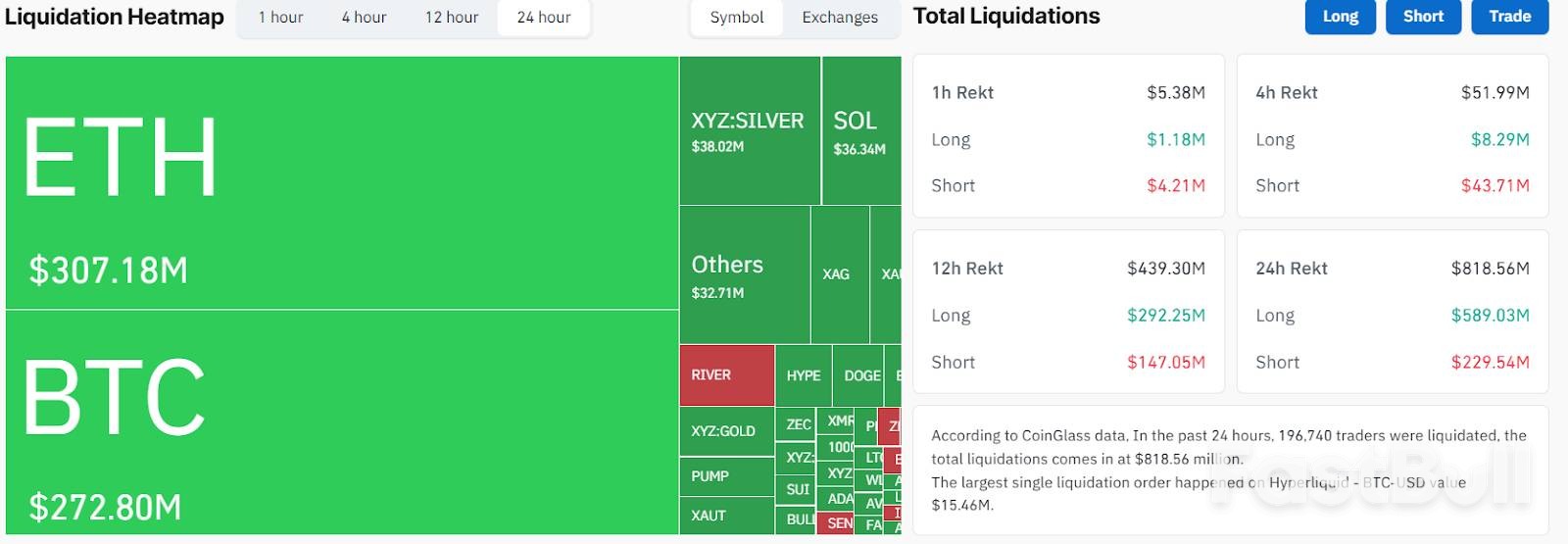
The recent market downturn triggered significant liquidations across the crypto space, totaling over $818 million in a 24-hour period.
Popular analyst Raoul Pal recently attributed the crash in both crypto and equities to a U.S. liquidity drought, suggesting the sell-off was driven by macro conditions rather than crypto-specific news.
Why the Fed's Balance Sheet Is Now the Key Focus
According to Nic Puckrin, an investment analyst and co-founder of the educational platform Coin Bureau, Warsh's nomination was the primary catalyst for the market crash, as it amplified investor concerns about liquidity.
"Markets are digesting Warsh's views on future Fed policy – most notably the central bank's balance sheet, which he says is 'trillions larger' than it needs to be," Puckrin explained to Cointelegraph.
The implications of this stance are clear. "If he does indeed adopt policies to shrink the balance sheet, markets will have to reckon with a lower-liquidity environment – a backdrop that isn't supportive of either risk assets or precious metals," he added.
Interest Rate Expectations Hold Steady—For Now
Despite the focus on the balance sheet, questions remain about Warsh's direction on interest rates and, as Puckrin noted, how much he is "willing to align himself" with Trump's preference for lower rates.
For the moment, market expectations for interest rate policy have not shifted dramatically. Data from the CME Group's FedWatch tool shows that 85% of market participants anticipate rates will remain unchanged at the Fed's next meeting on March 18.
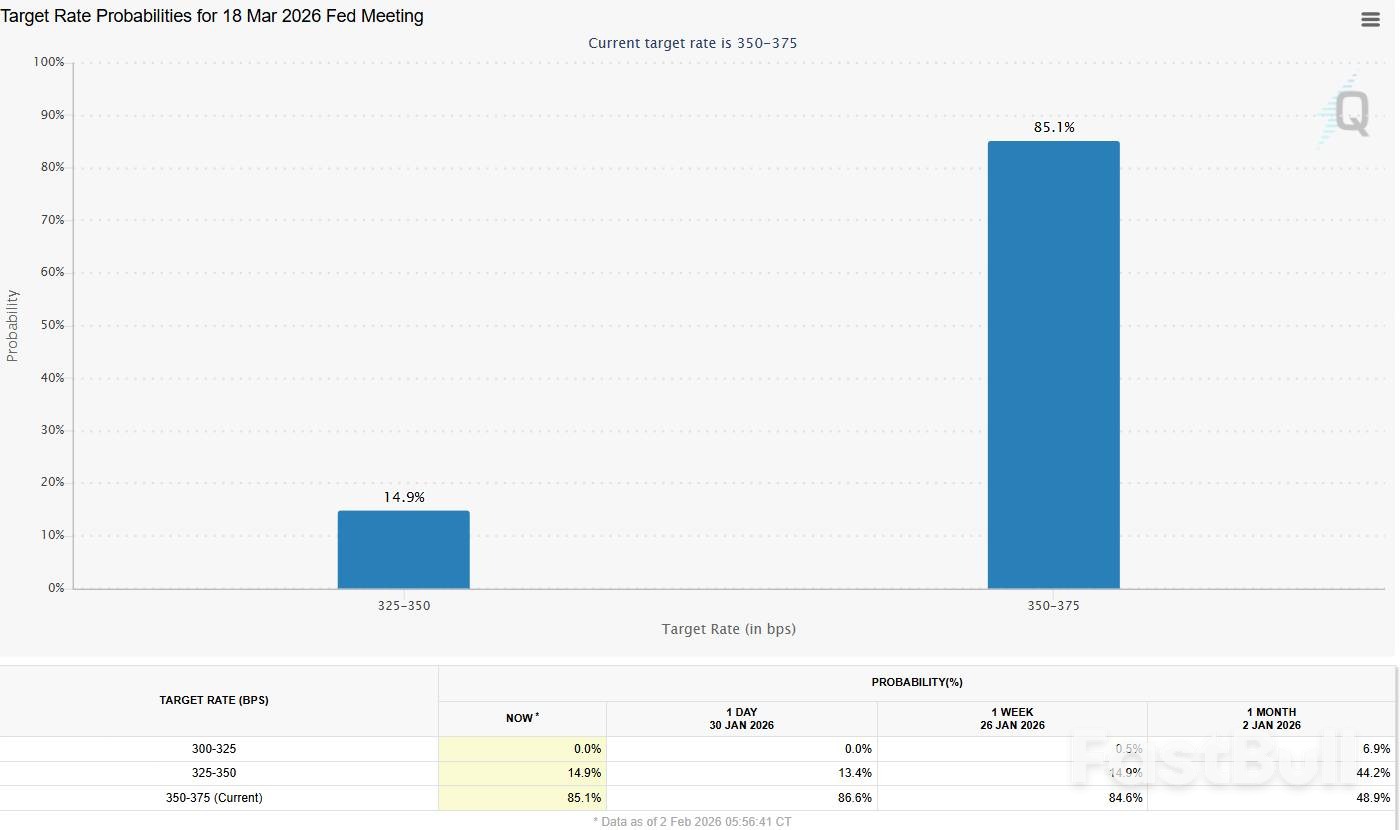
Figure 1: According to CME Group data, market probabilities heavily favor the Federal Reserve holding interest rates steady at its March 18 meeting.
Looking further ahead to the June 17 meeting—the first after Powell's term ends—the outlook is less certain. Current data shows 49% of traders expect a 25 basis-point rate cut, a slight increase from 46% the previous week.


