

Warsh as Fed Chair: A Test of Independence
 George Anderson
Former BOJ official Hiroshi Nakaso backs Kevin Warsh for Fed chair, citing crisis experience, communication, and independence.
Former Bank of Japan Deputy Governor Hiroshi Nakaso believes Kevin Warsh’s experience as a Federal Reserve governor makes him well-suited to lead the central bank and safeguard its independence. Drawing from his time as a senior BOJ official when Warsh served at the Fed, Nakaso offered his assessment of Warsh’s ability to navigate political pressure and build internal consensus.
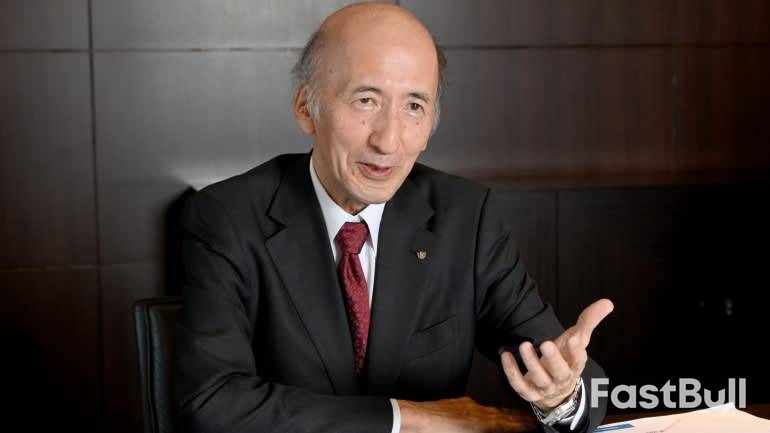
Hiroshi Nakaso, former Bank of Japan Deputy Governor, shares his perspective on Kevin Warsh's suitability for the Federal Reserve.
A Crisis-Tested Communicator
Nakaso, whose tenure at the BOJ overlapped with Warsh’s Fed term from 2006 to 2011, remembers him as an “excellent communicator” who was both logical and approachable. He expects these qualities would enable Warsh to build strong relationships within the Fed and with the presidential administration.
Both men gained critical experience during the 2008 global financial crisis. Nakaso notes that this difficult period forced them to deeply consider the core mission and policies of a central bank. He recalls that Warsh held then-Fed Chair Ben Bernanke in high regard for his ability to listen to diverse opinions and forge consensus during the turmoil.
According to Nakaso, Warsh’s five years absorbing the Fed’s organizational culture is a lasting asset. If appointed, he hopes Warsh will act as a chair who upholds the central bank's established values.
Navigating Political Pressure on the Fed
Concerns about political interference have become a significant issue for the Federal Reserve. Markets have worried that the Trump administration's open involvement in monetary policy could undermine confidence in the U.S. dollar.
However, Nakaso suggests that the administration's choice of Warsh may signal a respect for the Fed's independence. He believes Warsh understands the importance of the central bank's role. Following the announcement, market reactions indicated a perception that Warsh would maintain a proper distance from the administration, which helped calm excessive speculation about interest rate cuts.
Re-evaluating Past Views on Monetary Policy
Warsh has previously criticized the Fed's quantitative easing (QE) and advocated for shrinking its balance sheet. He left his governor position during QE2, the second round of post-crisis asset purchases. While QE1 was an all-out effort to contain the crisis, QE2 was aimed at accelerating the economic recovery.
Nakaso acknowledges the general view that large-scale asset purchases propped up asset prices. However, he also points out that at the time, few policymakers outside of central banks were capable of taking effective action.
Regarding the risk of hasty quantitative tightening, Nakaso thinks it is unlikely Warsh would shrink the balance sheet immediately. The financial landscape has changed significantly since Warsh’s tenure. Financial institutions now earn interest on their central bank deposits, allowing for monetary policy to be conducted with a larger balance sheet.
Furthermore, post-crisis financial regulations have fragmented the market, making it harder to gauge liquidity needs. The Fed already ended its quantitative tightening program last December after carefully reducing its liquidity supply, and it is currently providing liquidity through short-term government bond purchases.
Given these changes, Nakaso believes Warsh would adapt. Citing his strong communication skills and ability to assess situations, he expects that if Warsh becomes chair, he will listen to internal Fed opinions and respond appropriately to the current environment.
The Global Consensus on Central Bank Autonomy
The principle of central bank independence is built on the historical lesson that price stability is best managed by experts, protecting economies from the damage of high inflation.
Nakaso points to a statement signed by leaders of major central banks in solidarity with Fed Chair Jerome Powell as evidence of this shared conviction. The statement reflected a collective alarm that threats to Fed independence could ultimately harm global financial stability.
While BOJ Governor Kazuo Ueda did not sign the statement, Nakaso emphasizes that price stability relies on a stable financial system—a shared responsibility among the world’s central banks. He argues that effective, coordinated action in emergencies depends on unwavering trust that each central bank is making its own independent judgments. This, he states, is the true meaning of solidarity, a principle he believes the BOJ fully supports.


