

Warren Moves to Block UAE AI Chip Deal Tied to Trump Payout
 Isaac Bennett
Senator Warren aims to block a major AI chip sale to the UAE, linking it to a significant Trump family financial deal and national security concerns.
Senator Elizabeth Warren is set to ask the Senate to condemn and reverse a major sale of 500,000 advanced artificial intelligence chips to the United Arab Emirates. The move follows reports of a significant financial transaction between a prominent UAE sheikh and the Trump family that occurred just before Donald Trump’s inauguration.
Warren’s resolution, shared with CNBC, directly challenges the chip deal in light of a Wall Street Journal report. The report detailed how Sheikh Tahnoon bin Zayed Al Nahyan, a key figure in the UAE, secretly acquired a 49% stake in World Liberty Financial, a Trump family company. This deal allegedly directed approximately $187 million to Trump family entities just four days before Trump took office.
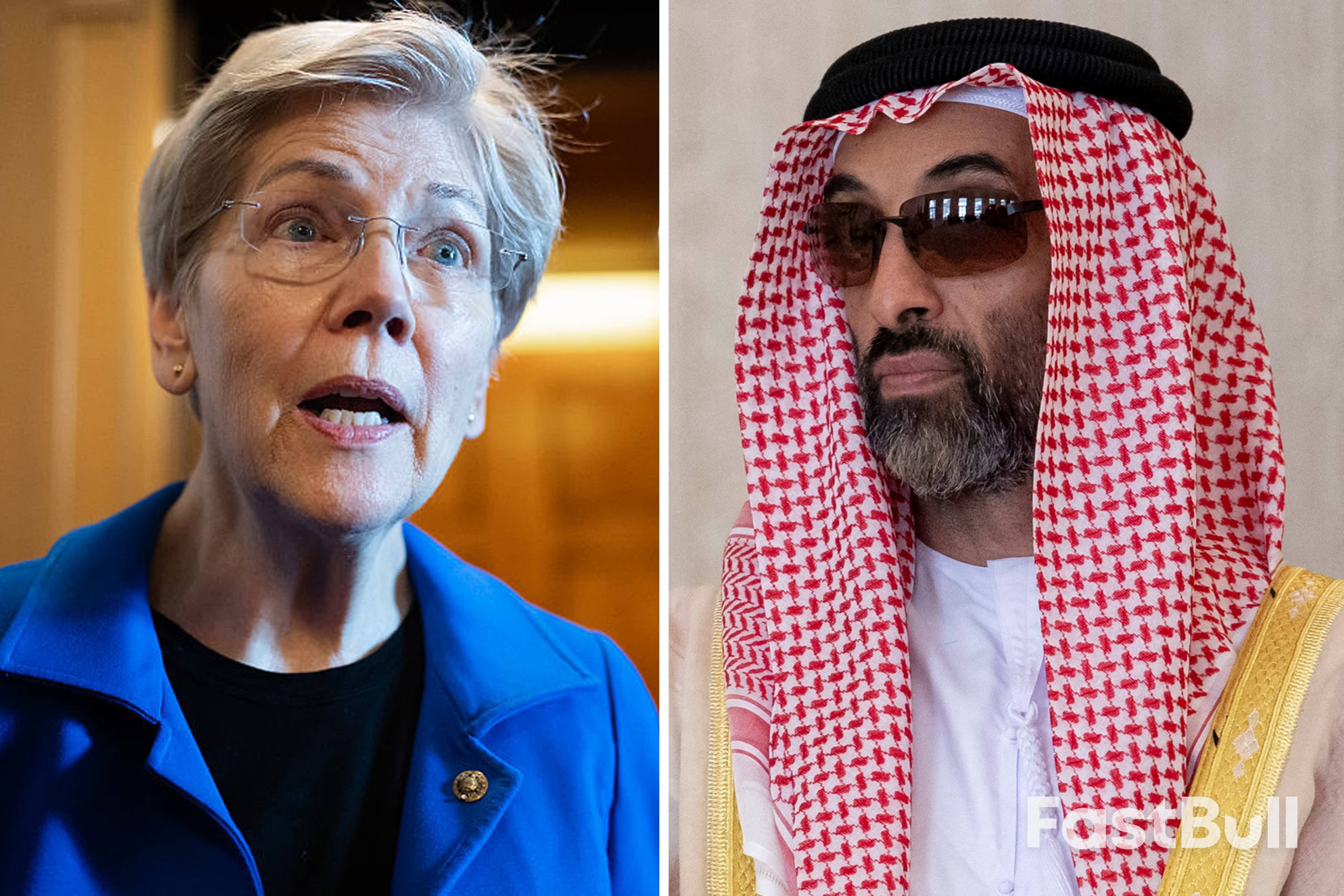
Figure 1: Senator Elizabeth Warren (left) is challenging an AI chip deal involving entities linked to UAE's Sheikh Tahnoon bin Zayed Al Nahyan (right).
The AI chip sale was approved months after this investment, raising allegations of bribery. Sheikh Tahnoon's own AI enterprise, G42, is slated to receive the chips.
"Why in the world was Donald Trump trying to ship off our state-of-the-art chips to the UAE — and China — when American startups, universities, and small businesses need them here at home?" Warren is expected to state on the Senate floor. "Well, now we know that the UAE greased the skids months earlier when it secretly agreed to pour hundreds of millions of dollars into a Trump family crypto venture."
National Security and the China Factor
The deal would send 500,000 of Nvidia's most advanced chips to the UAE annually. This has triggered national security alarms, as previous U.S. administrations have warned against selling such technology to the UAE over fears it could fall into China's hands. The United States is in a fierce competition with China for AI dominance and strictly controls its semiconductor technology.
"Trump is profiting from decisions that make it easier for countries like China to get their hands on some of our most sensitive and advanced technology," Warren, who serves as the top Democrat on the Senate Banking Committee, plans to argue.
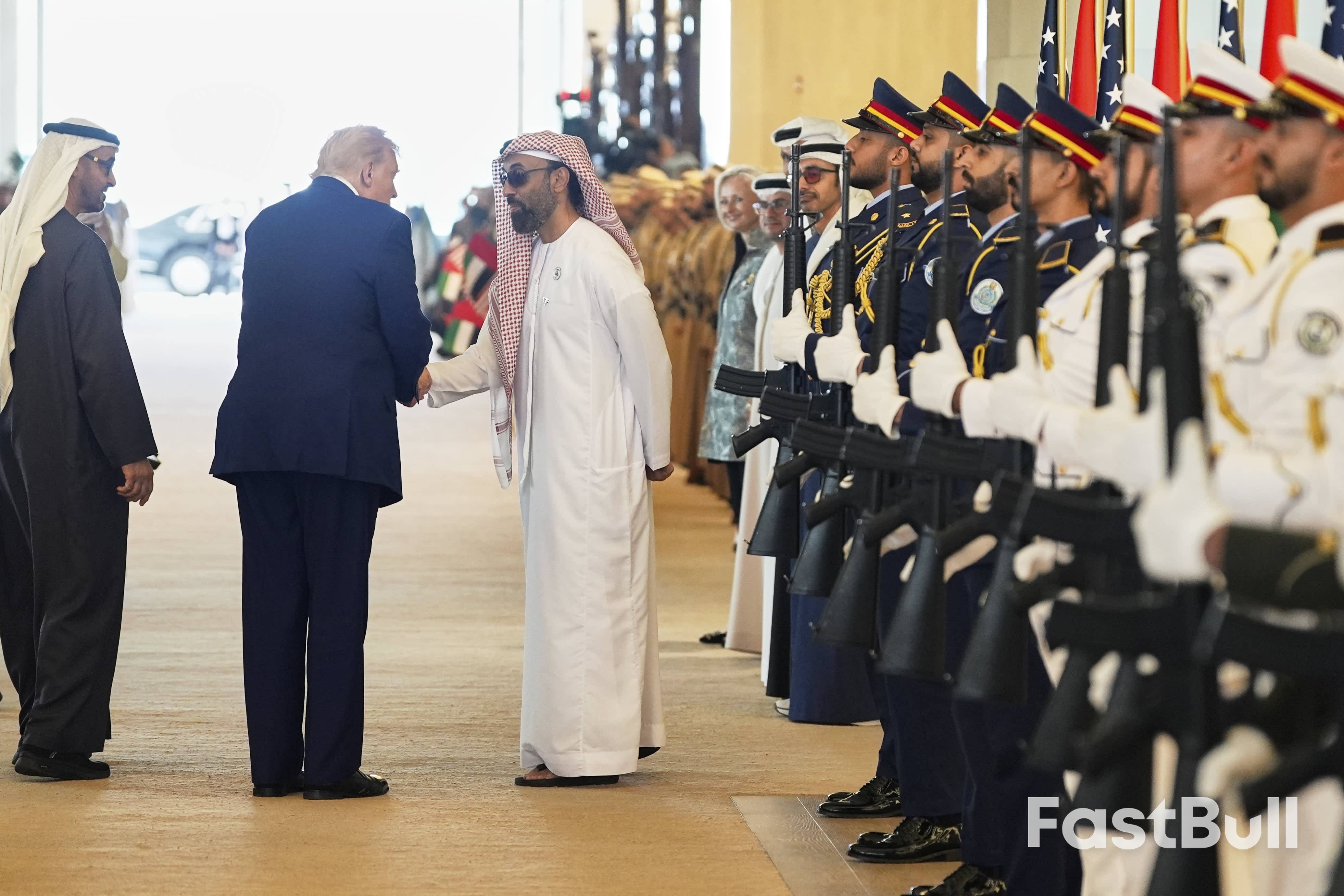
Figure 2: Former President Donald Trump met with Tahnoun bin Zayed Al Nahyan, the UAE's National Security Advisor, whose AI firm is set to receive the chips.
Warren's Resolution Aims to Force a Vote
If passed, the resolution would formally state that the Senate "Condemns Donald Trump's decision to allow the sale of advanced AI chips to the United Arab Emirates and calls for the reversal of this decision."
While any single senator can block the resolution, Warren's push is designed to put political pressure on Republicans, who have also expressed concerns about advanced AI technology reaching China.
"Congress needs to grow a spine," Warren is expected to add. "We cannot allow American national security to be sold to the highest bidder."
The Trump administration has consistently denied any wrongdoing concerning Sheikh Tahnoon's investment or the subsequent chip deal. When asked about the arrangement this week, Trump commented, "Well, I don't know about it."


