

US Vows to Replace Tariffs if Top Court Rules Against Them
 Isaac Bennett
Trump's administration prepares tariff alternatives for a potential Supreme Court reversal, underscoring unwavering trade policy resolve despite immense fiscal implications.
The Trump administration is prepared to immediately replace its global tariffs if the Supreme Court strikes them down, according to U.S. Trade Representative Jamieson Greer. The statement signals the White House's determination to maintain its trade policy, regardless of the high court's pending decision.
Speaking to The New York Times, Greer confirmed that the administration would "start the next day" to reconstitute its tariff framework. The court is expected to rule as early as this week on the legality of President Donald Trump's use of the 1977 International Emergency Economic Powers Act (IEEPA) to impose "reciprocal" tariffs on various trading partners, including South Korea.
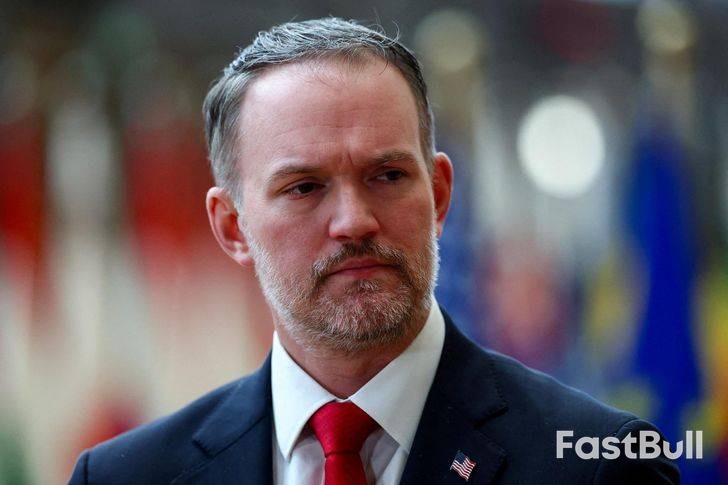
U.S. Trade Representative Jamieson Greer has outlined the administration's contingency plan for its global tariff policy.
Administration Prepares Alternative Trade Strategy
Greer revealed that he and other advisors have already presented President Trump with "a lot of different options" to pursue his trade objectives in a potential second term. This suggests the administration is ready to pivot to other legal justifications for its tariffs if the IEEPA-based approach is invalidated by the court.
The upcoming ruling is being closely watched by business leaders and policymakers, as it carries significant implications for global trade and the U.S. fiscal landscape. The administration has used the IEEPA to levy tariffs such as the 15 percent reciprocal duties on Korean products, which were reduced from 25 percent following a bilateral agreement. That deal included a commitment from Seoul to invest US$350 billion in the United States.
The Legal Challenge and Path to the Supreme Court
The administration's tariff authority has faced consistent legal opposition. In August, a federal appeals court ruled that the tariffs exceeded presidential authority under the IEEPA, upholding a lower court's decision from May.
During oral arguments before the Supreme Court in November, justices reportedly expressed skepticism about the legality of the tariffs. The court has announced it will hold a public session on Tuesday, fueling speculation that a final ruling on the matter is imminent.
What's at Stake: Billions in Potential Refunds
The financial stakes of the court's decision are enormous. President Trump has warned that losing the ability to tariff countries that treat the U.S. unfairly would be a "terrible blow."
A ruling against the administration could force the U.S. government to refund tariffs already paid by companies. Trump has stated that this amount could reach "many hundreds of billions of dollars." He further cautioned that the total could swell to "trillions of dollars" if countries and companies also demand payback for the investments they made in the U.S. as a means to avoid the tariffs. If the tariffs are struck down, companies are widely expected to seek refunds.


