

US Sanctions Iran Officials, Vows to Track Stolen Funds
 James Riley
US sanctions Iranian officials and a prison, escalating pressure over protest crackdowns and illicit finance.
The United States has imposed new sanctions on five Iranian officials and a prison, escalating its response to Tehran's crackdown on widespread national protests. The move signals President Donald Trump's ongoing pressure campaign against the Iranian government.
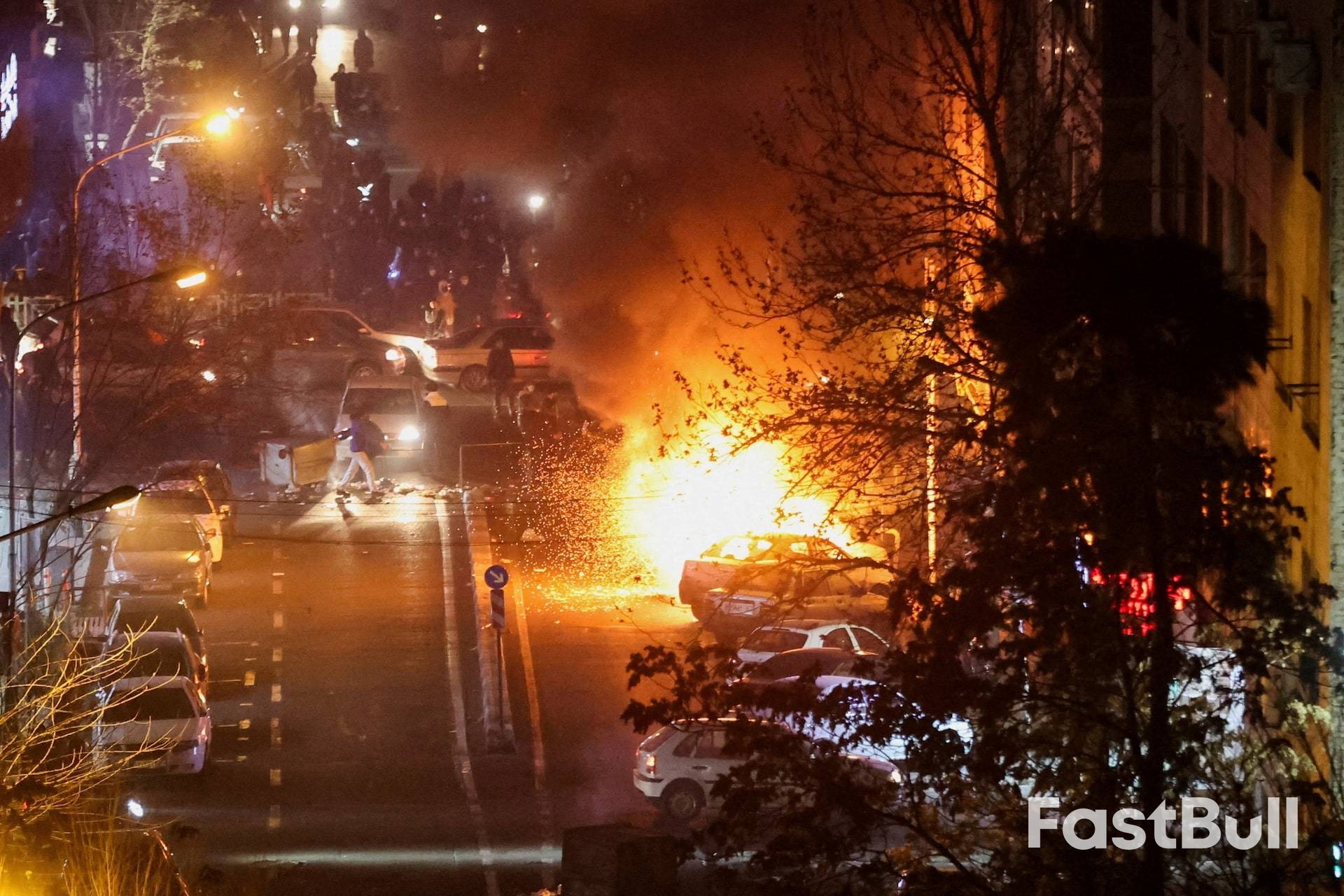
Figure 1: Protests over economic conditions, like this one in Tehran on January 8, 2026, prompted the government crackdown that led to new U.S. sanctions.
Treasury Targets Key Officials and a Prison
According to a statement from the U.S. Treasury Department, the sanctions target senior figures considered architects of the government's response to the protests. Those named include:
• The Secretary of the Supreme Council for National Security
• Commanders from the Islamic Revolutionary Guard Corps (IRGC)
• Commanders from law enforcement forces
Additionally, sanctions were placed on Fardis Prison. The U.S. State Department cited reports that women in the facility have "endured cruel, inhuman, and degrading treatment."
A Direct Warning on Illicit Funds
Treasury Secretary Scott Bessent delivered a sharp message to Iran's leaders in a video statement, warning that Washington is monitoring their financial activities.
"U.S. Treasury knows, that like rats on a sinking ship, you are frantically wiring funds stolen from Iranian families to banks and financial institutions around the world," Bessent said. "Rest assured, we will track them and you."
He continued by relaying a message from President Trump: "But there's still time, if you choose to join us. As President Trump has said, stop the violence and stand with the people of Iran." Bessent affirmed that "the United States stands firmly behind the Iranian people in their call for freedom and justice."
Iran's Response and the Protests' Human Cost
Iran's mission to the United Nations did not provide an immediate comment on the new sanctions. The country's leadership has consistently blamed the unrest on foreign adversaries, including the United States and Israel.
Meanwhile, Iranian President Masoud Pezeshkian stated on Thursday that his government is attempting to address the economic problems that initially triggered the protests. He said the administration intends to tackle corruption and foreign exchange rates to improve the purchasing power of poorer citizens.
The unrest, which began on December 28 with demonstrations over soaring prices, evolved into a significant challenge to the country's clerical establishment. According to the U.S.-based HRANA rights group, the violence has so far resulted in the verified deaths of 2,435 protesters and 153 government-affiliated individuals.
Shadow Banking Networks Also in Crosshairs
In a separate but related action, the Treasury also sanctioned 18 individuals. They are accused of participating in "shadow banking" networks designed to launder the proceeds from Iranian petroleum and petrochemical sales to foreign markets.
These actions are the latest move in the Trump administration's "maximum pressure" campaign. The policy aims to reduce Iran's oil exports to zero and prevent Tehran from developing a nuclear weapon—a goal Iran denies pursuing.


