

US Rallies Allies to Break China's Grip on Critical Minerals
 Isaac Bennett
The U.S. convened a 55-nation summit to stabilize critical mineral supply chains, proposing price floors and a $12 billion stockpile to counter China's market dominance and ensure global access to vital resources.
The United States convened a summit with officials from 55 countries this week, launching a major initiative to stabilize critical mineral supply chains and reduce global dependence on China. The Trump administration is advocating for policies like price floors and expanded private investment to ensure American manufacturers have reliable access to essential materials.
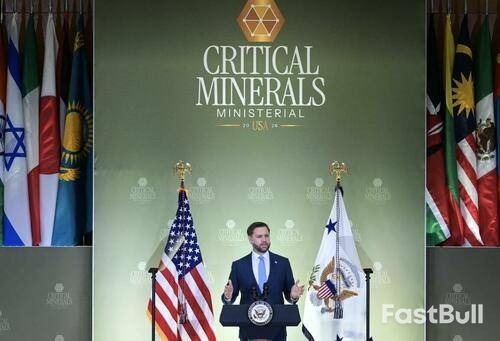
Figure 1: Officials gathered at the Critical Minerals Ministerial summit to discuss new strategies for securing global supply chains and countering market volatility.
Key allies, including the European Union, Japan, and Mexico, have agreed to collaborate with Washington on these new policies. According to the US Trade Representative, the partners are working toward a binding multilateral trade agreement, signaling a coordinated effort to address supply chain vulnerabilities.
Price Floors and Private Investment Take Center Stage
The central proposal from the U.S. involves establishing price floors for key minerals, a mechanism designed to protect producers outside of China from market manipulation and unpredictable price swings.
"Today, the international market for critical minerals is failing," said Vice President JD Vance at the summit. "Consistent investment is nearly impossible, and it will stay that way so long as prices are erratic and unpredictable."
Vance called for creating stable investment conditions and proposed a "preferential trade center for critical minerals protected from external disruptions." This approach aims to shield non-Chinese producers from being undercut by market flooding, making their operations more economically viable over the long term.
Building a Western Bloc for Strategic Resources
The summit has already produced tangible diplomatic progress. The U.S. and the EU are working to finalize a memorandum of understanding within 30 days to bolster supply security. Meanwhile, the U.S. and Mexico plan to identify priority minerals and explore price guarantees before a scheduled review of the US-Mexico-Canada trade agreement.
To formalize this collaboration, Secretary of State Marco Rubio announced a new partnership called FORGE, which will succeed the Minerals Security Partnership. This move underscores a commitment to creating a durable, allied framework for mineral procurement.
Adding financial weight to the initiative, Vance highlighted the administration's $100 billion lending authority as a tool to support these efforts.
China's Dominance and Geopolitical Risks
While officials at the summit largely avoided naming China directly, the context was clear. Rubio noted that the supply of critical minerals is "heavily concentrated in the hands of one country," creating significant geopolitical and economic risks.
This concentration is stark: China currently controls over 90% of the world's refining capacity for rare earths and magnets. Demand for these materials is simultaneously rising, driven by advancements in artificial intelligence and computing.
"Everything is geographically concentrated in China," explained Under Secretary Jacob Helberg. "Countries want to diversify and de-risk the supply chain."
These concerns were amplified last year when Beijing announced export restrictions on rare earths. In response to the summit, Chinese spokesman Lin Jian criticized the formation of "small groups" that could disrupt global trade. President Donald Trump noted on Wednesday that he had a "long and thorough call" with Xi Jinping on trade and plans to visit China in April.
The $12 Billion 'Project Vault' Stockpile
A cornerstone of the U.S. strategy is the creation of a nearly $12 billion national stockpile of essential materials. Known as Project Vault, the initiative aims to protect American manufacturers from sudden shortages and price shocks that can halt production.
The project has already attracted participation from over a dozen major corporations, including:
• General Motors
• Stellantis
• Boeing
• Corning
• GE Vernova
To manage the sourcing and purchasing of materials for the stockpile, the government has enlisted three large trading firms: Hartree Partners, Traxys North America, and Mercuria Energy.
"We're crowding in, most importantly, US private equity participation," said Ex-Im chief John Jovanovic, pointing to strong repayment assurances and physical collateral as incentives for investors. The summit, hosted by Rubio, also involved Treasury Secretary Scott Bessent and Trade Representative Jamieson Greer, building on programs initiated under both the Trump and Biden administrations.


