

US Issues 'Leave Now' Alert Ahead of Iran Negotiations
 James Riley
The U.S. advises citizens to leave Iran amid escalating tensions as critical diplomatic talks face deep divisions and military threats.
The United States has issued an urgent security alert, advising American citizens to "leave Iran now" as tensions escalate ahead of high-stakes diplomatic talks scheduled for Friday in Oman. The notice from the U.S. Virtual Embassy in Iran cautioned Americans to arrange for their departure without relying on assistance from the U.S. government.
The alert comes as representatives from Washington and Tehran prepare for their first official meeting since a major flare-up last year, with little sign of common ground on the agenda.
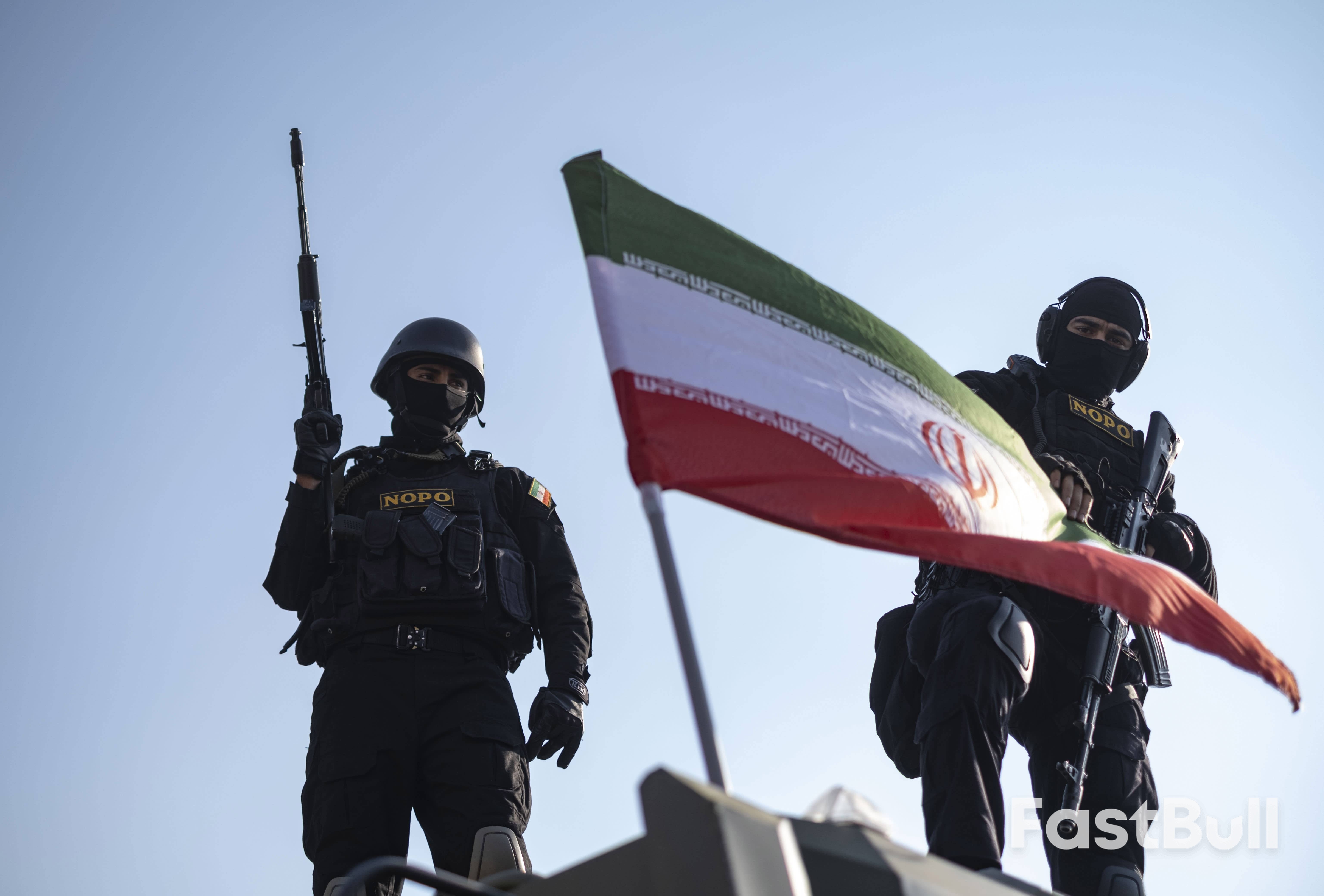
Iranian special forces stand guard in Tehran, reflecting the heightened security situation across the country.
High-Stakes Talks Clouded by Uncertainty
The U.S. delegation for the talks is set to include Special Envoy Steve Witkoff and Jared Kushner, son-in-law of President Donald Trump. They are expected to meet with a team led by Iran's Foreign Minister, Abbas Araghchi.
This meeting marks the first formal dialogue between the two nations since June of last year, when a 12-day war between Iran and Israel prompted U.S. airstrikes that caused severe damage to Iran's three primary nuclear facilities.
However, significant disagreements over the format and location of the talks have cast a shadow over their potential for success, leaving the possibility of U.S. military action on the table. The negotiations were initially planned to take place in Istanbul, with Turkey acting as a key mediator alongside other regional powers like Egypt, Qatar, and Saudi Arabia.
On Tuesday, Tehran requested a last-minute change, moving the meeting to Oman and restricting it to only Iranian and American officials.
Core Disputes Fueling the Standoff
The diplomatic maneuvering unfolds against a backdrop of increasing military pressure. The U.S. has been building up its forces in the Gulf, and President Trump recently intensified his rhetoric, threatening military strikes if Tehran fails to meet a list of American demands.
According to reports, the U.S. government's key demands include:
• The complete disposal of Iran's enriched uranium stockpile.
• Strict limits on Tehran's ballistic missile program.
• An end to the arming and funding of militant groups across the Middle East.
Iran has rejected these terms, describing them as an unacceptable violation of its national sovereignty. Tehran has warned it will respond forcefully to any attack by striking U.S. military targets in the region as well as Israel.
Military Buildup and Internal Pressures
The current standoff is further complicated by Iran's internal situation. Tensions escalated earlier this year following nationwide protests, which were met with a severe government crackdown. According to the Human Rights Activists News Agency, a Washington-based organization, at least 6,883 people had been killed as of Wednesday.
While President Trump had previously threatened to intervene in support of the protestors, he ultimately did not take military action at that time.


