

US Defense Chief to Skip NATO Summit, Raising Alliance Fears
 Isaac Bennett
Hegseth's absence from NATO deepens concerns over US commitment, highlighting strained transatlantic relations.
U.S. Defense Secretary Pete Hegseth is expected to miss the upcoming NATO defense ministers' meeting in Brussels, a move that is fueling concerns about the United States' commitment to the military alliance. This marks the second consecutive time a top official from the Trump administration has skipped a key NATO gathering, deepening worries among European allies.
The expected absence comes at a time of strained transatlantic relations, recently tested by President Donald Trump's stated desire to acquire Greenland from Denmark, a fellow NATO member.
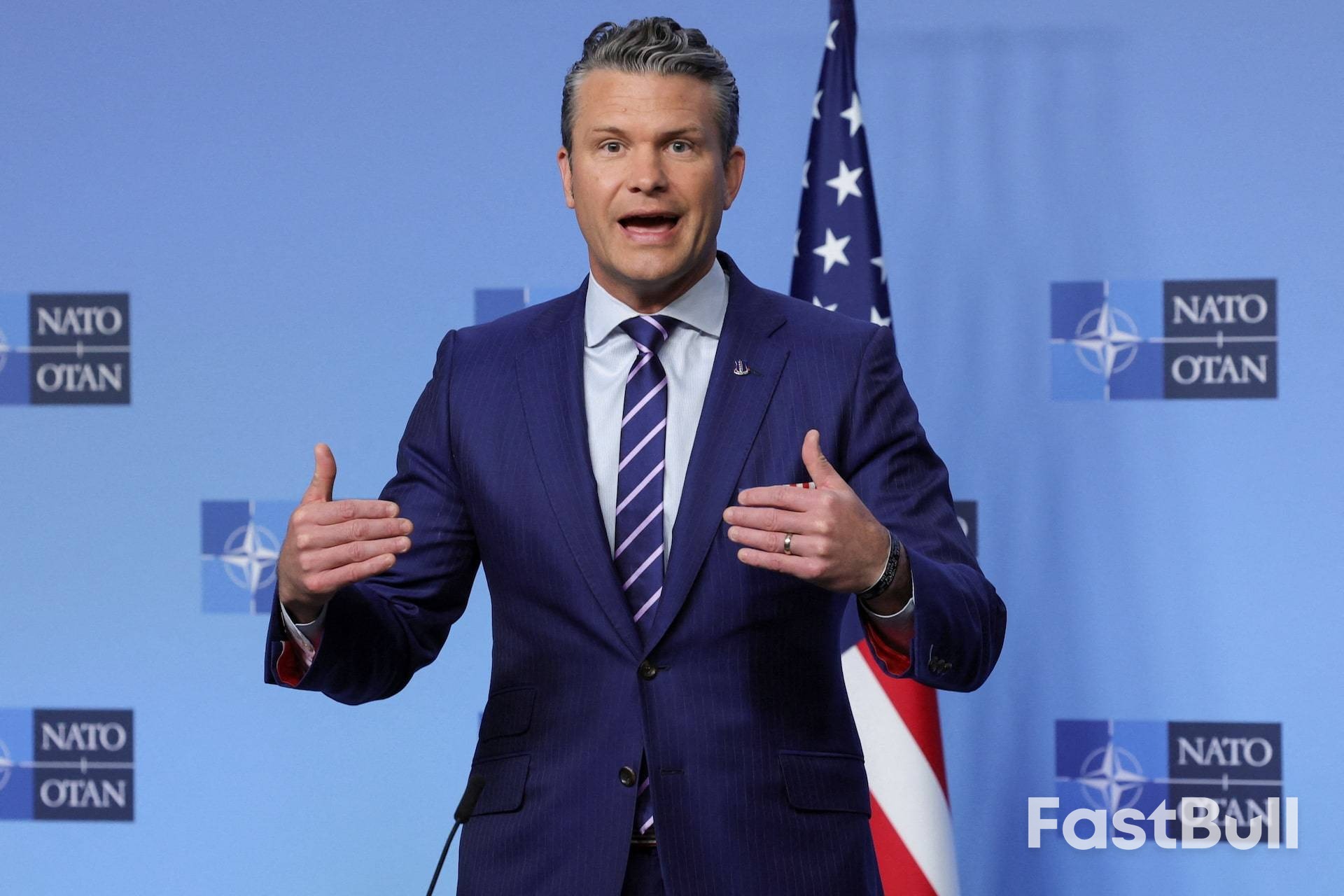
Figure 1: U.S. Defense Secretary Pete Hegseth speaking at a previous NATO event. His expected absence from the upcoming summit has raised concerns about U.S. commitment to the alliance.
A Pattern of High-Level Absences
Hegseth's decision to miss the February 12 meeting follows U.S. Secretary of State Marco Rubio’s failure to attend the NATO foreign ministers' summit in December. While the Pentagon and NATO have declined to comment, the back-to-back no-shows signal a significant shift in U.S. engagement.
Historically, the absence of a top U.S. cabinet official from a NATO ministerial meeting was highly unusual. As the alliance's primary military and political power, consistent high-level participation from the United States has long been considered standard practice.
Oana Lungescu, a former NATO spokesperson now at the RUSI think tank, warned that the move would have consequences. "If confirmed, it will send a bad signal at a very tense time in transatlantic relations, and will only deepen the concerns of other allies about the U.S. commitment to NATO," she said.
The news also surfaced as the Trump administration weighs military options against Iran, a scenario where close coordination with NATO allies would typically be paramount.
A New Strategy: Limited Support for Europe
This apparent disengagement aligns with a new National Defense Strategy published by the Trump administration last week. The document explicitly redefines America's role, signaling a pivot away from its traditional security posture in Europe.
The strategy states: "In Europe and other theaters, allies will take the lead against threats that are less severe for us but more so for them, with critical but more limited support from the United States."
In place of Hegseth, diplomats expect Elbridge Colby to attend the Brussels meeting. As the Pentagon's policy chief, Colby was a key architect of the new defense strategy.
Analysts Warn of a "Missed Opportunity"
Experts argue that Hegseth's absence is a missed chance to repair and strengthen the alliance at a critical moment. Jamie Shea, a former senior NATO official and a fellow at the Friends of Europe think tank, noted that the timing is particularly poor. Trump and NATO chief Mark Rutte had recently agreed that the alliance should take on a greater role in Arctic security, partly to ease the tensions over Greenland.
"It has to be recognised that Hegseth has criticised NATO more than he has shown a desire to lead it," said Shea. "At a time when transatlantic security consultations at high level are more needed than ever, this is another missed opportunity for the U.S. to show leadership and initiative in the alliance."


