

US Carrier Pullback Paves Way for Direct Iran Talks
 Isaac Bennett
Carrier repositioning signals de-escalation with Iran, setting the stage for high-stakes nuclear talks.
Carrier Group Repositions Amid De-escalation Reports
According to Iran's Fars news agency, the U.S. aircraft carrier Abraham Lincoln has repositioned near Yemen, a move interpreted as a step toward de-escalating military tensions with Tehran and creating an opening for diplomacy.
The report claims the nuclear-powered carrier has withdrawn approximately 1,400 kilometers (870 miles) from the southern Iranian port of Chabahar. Its new operating area is said to be near the Gulf of Aden, east of Yemen's Socotra Island. This information has not yet been confirmed by the Pentagon. The carrier group is reportedly accompanied by its standard contingent of destroyers and submarines, typical for deployments in the CENTCOM region.
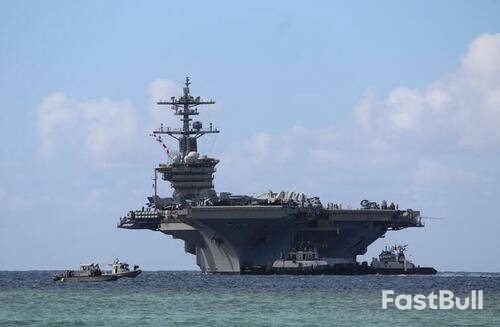
Figure 1: The Nimitz-class aircraft carrier USS Abraham Lincoln has reportedly moved away from Iran's coast, a development potentially clearing the path for diplomatic engagement.
High-Stakes Diplomacy on the Horizon in Istanbul
The apparent distancing of U.S. and Iranian forces is seen as a positive signal for planned dialogue. A meeting between U.S. envoy Steve Witkoff and Iranian Foreign Minister Abbas Araghchi is expected to take place in Istanbul on Friday to discuss a potential nuclear deal, according to a report from Axios.
While the meeting plans remain uncertain, the carrier's movement suggests that progress is being made toward what would be the first direct talks between the two sides since the June war.
Tehran's Conditions for "Fair" Negotiations
Iranian officials have expressed cautious optimism about renewed direct contact with Washington. Foreign Minister Araghchi emphasized that while "Iran is ready for diplomacy," he also stated that "diplomacy is incompatible with pressure, intimidation, and force."
This sentiment was echoed by Iranian President Masoud Pezeshkian in a statement on Tuesday. He signaled conditional support for renewed talks, as regional intermediaries like Turkey, Egypt, and Qatar work to ease rising tensions. In a social media post, Pezeshkian voiced his backing for "fair and equitable negotiations" and confirmed he had instructed Araghchi to engage with U.S. officials, but only if "a suitable environment exists—one free from threats and unreasonable expectations."
Although Pezeshkian did not directly mention the Istanbul meeting, his comments reinforce Tehran's position that diplomacy is possible, but not under ultimatums.
A "Diplomatic Hail Mary" to Avert Conflict
Trita Parsi of the Quincy Institute has suggested that from Iran's perspective, attempting a high-stakes diplomatic effort is a logical move before any potential military confrontation. He argues that Iran sees itself as having little to lose.
"Direct talks between Iranian officials and Trump himself may appear completely unrealistic, but some of the main turning points in the US-Iran drama were caused by moves that most believe were completely impossible," Parsi wrote. "I don't see what the Iranians have to lose by trying this card."


