

US and Iran Clash at UN Over Protests
 Isaac Bennett
The UN Security Council became a stage for sharp US-Iran confrontation over protests, with Washington hinting at action and Tehran warning retaliation, as Russia accused US interference.
A United Nations Security Council meeting requested by Washington became the stage for a sharp confrontation on Thursday, as the United States and Iran traded accusations over ongoing protests within the Islamic Republic, with Russia firmly backing Tehran.
The U.S. declared its support for Iranian demonstrators and stated that "all options are on the table," while Iran warned of a "decisive" response to any aggression. Russia accused the U.S. of blatant interference, amplifying the geopolitical tensions surrounding the situation.
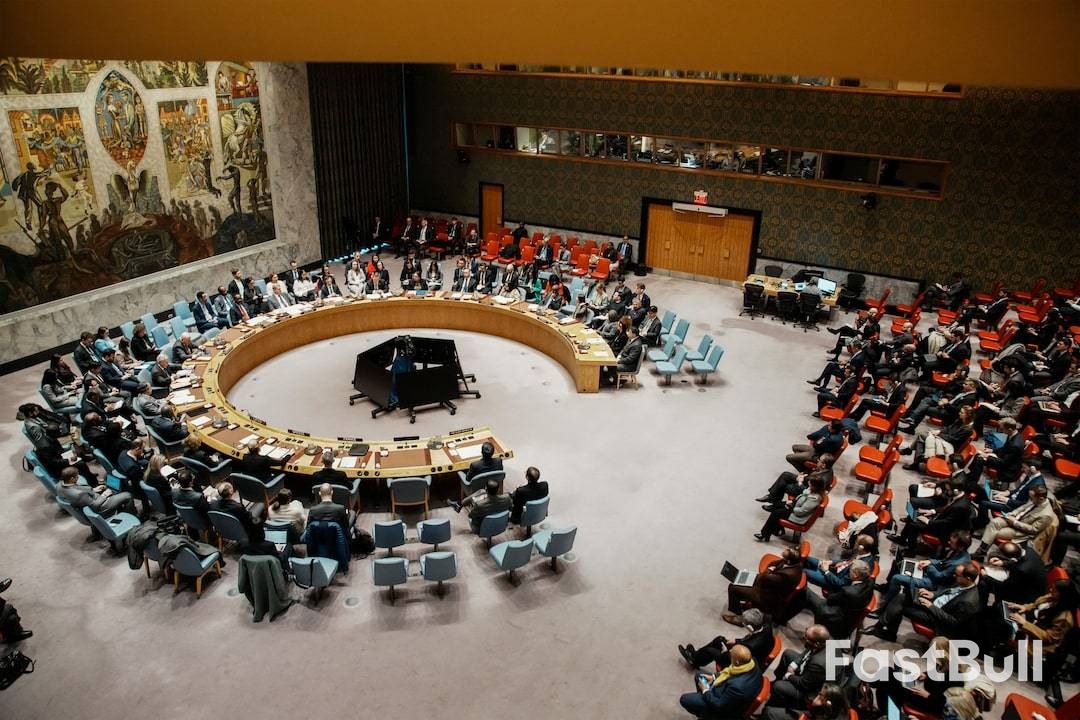
Delegates gather for a United Nations Security Council meeting to discuss the situation in Iran.
US Puts "All Options on the Table"
U.S. Ambassador to the United Nations Mike Waltz delivered a strong message, stating that the United States stands with the "brave people of Iran." He reiterated President Donald Trump's position that decisive action could be taken to halt the government's crackdown on protesters.
"President Trump is a man of action, not endless talk like we see at the United Nations," Waltz told the council. "He has made it clear all options are on the table to stop the slaughter."
Waltz dismissed Iran's claims that the protests were part of a "foreign plot" designed to justify military action. "Everyone in the world needs to know that the regime is weaker than ever before," he argued. "They are afraid. They're afraid of their own people."
President Trump has consistently threatened intervention in support of the demonstrators. However, on Thursday, he adopted a more cautious stance, noting he had been told the killings were subsiding and that there was no immediate plan for large-scale executions.
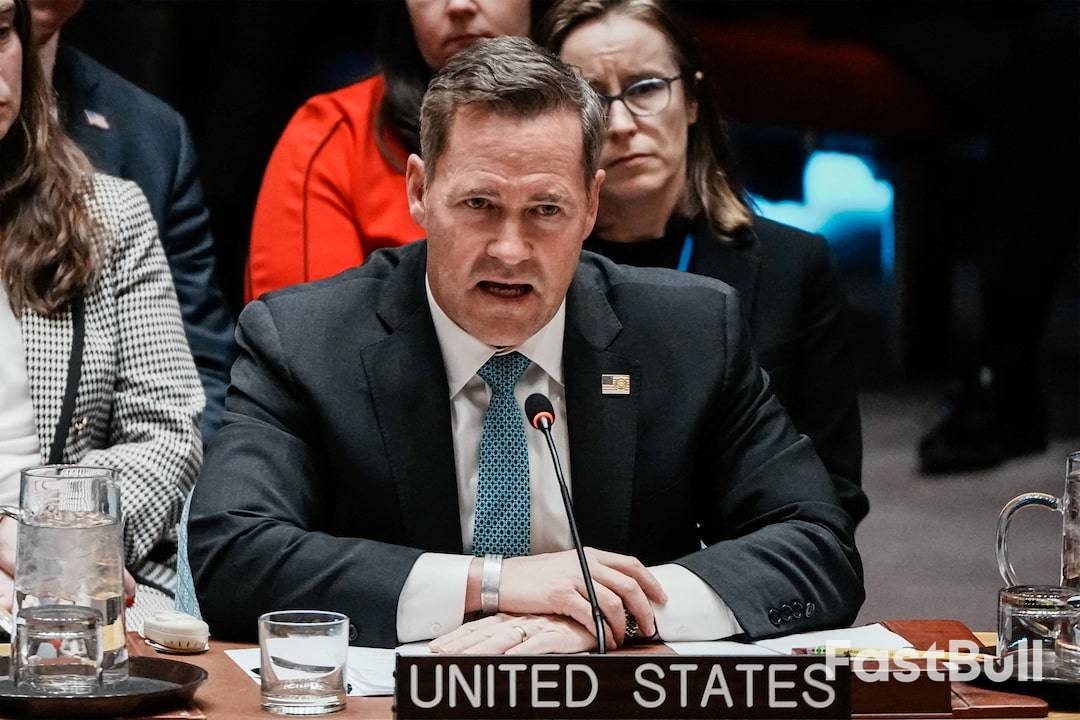
Mike Waltz, U.S. Ambassador to the United Nations, addresses the Security Council.
Iran Warns Against Any Act of Aggression
Iran's Deputy U.N. Ambassador, Gholamhossein Darzi, vehemently rejected the U.S. position. He accused Waltz of deploying "lies, distortion of facts, and a deliberate misinformation campaign" to hide America's direct role in escalating the unrest.
Darzi clarified that while Iran does not seek confrontation, it is prepared to defend itself. "Any act of aggression - direct or indirect - will be met with a decisive, proportionate, and lawful response," he stated. "This is not a threat; it is a statement of legal reality."
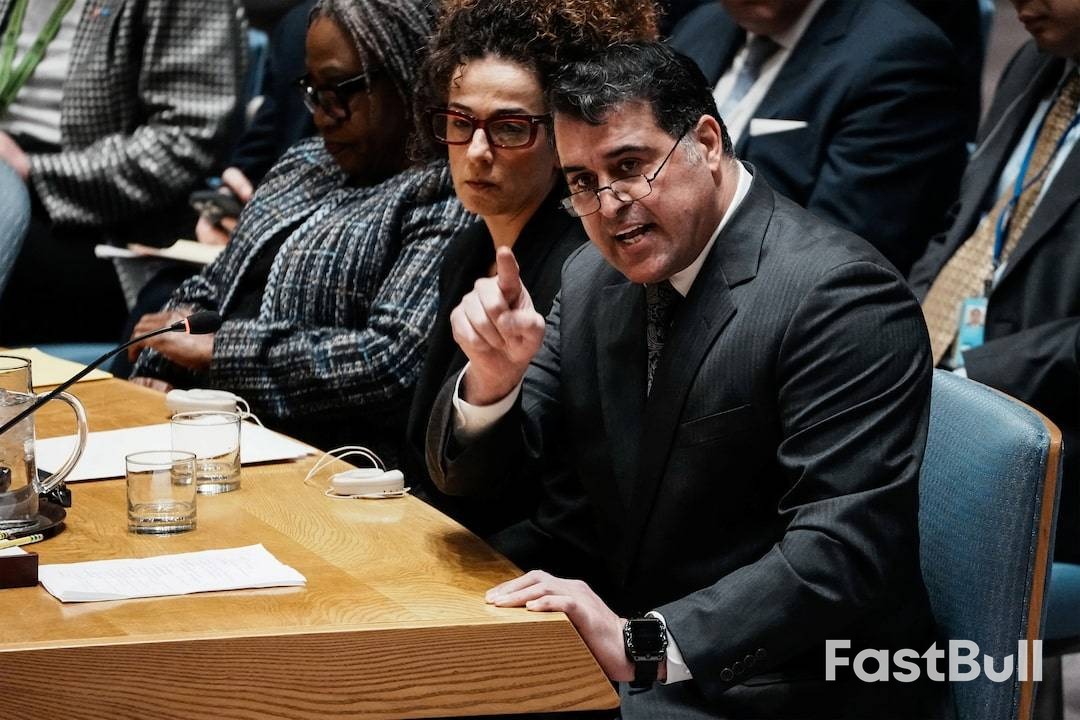
An Iranian delegate presents his country's position during the tense Security Council session.
Russia Accuses Washington of Interference
Russia's U.N. Ambassador, Vassily Nebenzia, sided firmly with Iran, accusing the United States of using the Security Council to "justify blatant aggression and interference in the internal affairs of a sovereign state."
Nebenzia claimed the U.S. was threatening to "solve the Iranian problem in its favorite way: through strikes aimed at overthrowing an undesirable regime." He issued a direct caution to Washington and its allies.
"We strongly urge the hot heads in Washington and other capitals … to come to their senses," he said.
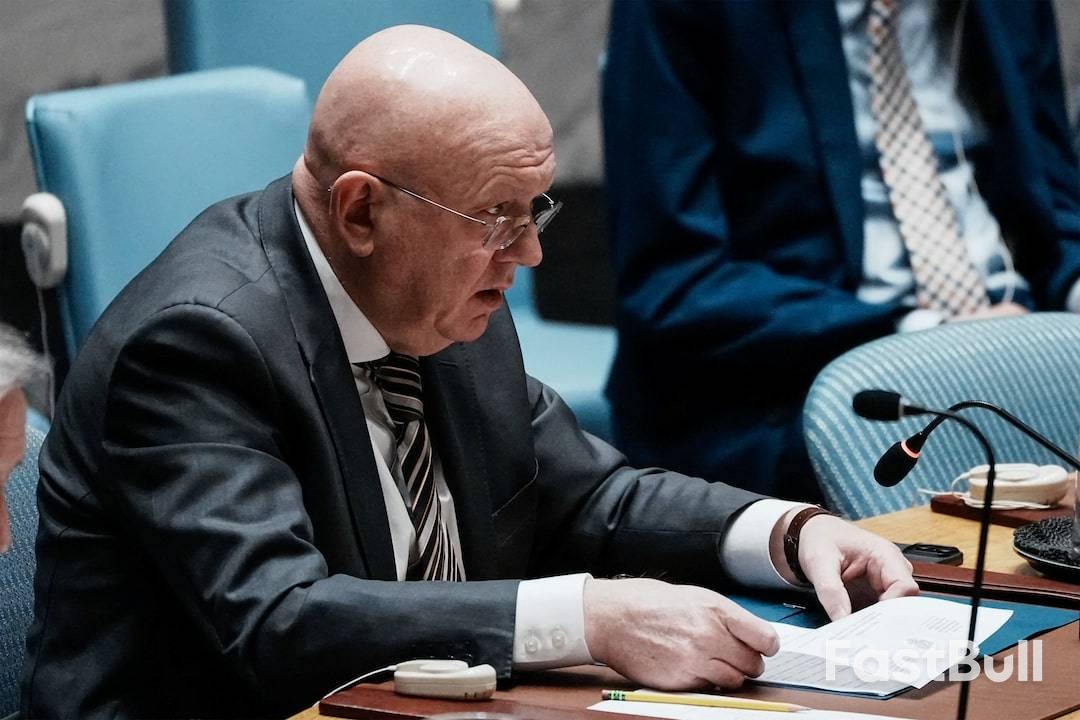
Vassily Nebenzia, Russia's Ambassador to the UN, reviews documents during the meeting.
International Calls for De-escalation
Amid the heated rhetoric, other international voices called for restraint. Senior U.N. official Martha Pobee conveyed a message from Secretary-General Antonio Guterres, urging "maximum restraint at this sensitive moment." Guterres called on all parties to avoid actions that could cause further loss of life or trigger a wider regional escalation.
Denmark’s U.N. Ambassador, Christina Markus Lassen, directed her appeal to the Iranian government. "Loud and clear, again and again, we hear the Iranians lift their voices for a better life," she said. "The time has now come for the government of Iran to finally listen, to respond to the will of its people through peaceful means. We urge them to start today."


