

UK Economy Rebounds in November, Defying Forecasts
 George Anderson
The UK economy unexpectedly expanded 0.3% in November, fueled by manufacturing, but its durability and interest rate implications remain under scrutiny.
The UK economy expanded by 0.3% in November, a stronger-than-expected performance that surpassed forecasts and signals a potential turnaround amid political uncertainty.
Official figures from the Office for National Statistics (ONS) released on Thursday showed a marked improvement from the 0.1% contraction seen in October. Economists had only anticipated a modest 0.1% expansion for November. The positive data provides a boost for Chancellor Rachel Reeves, who is counting on economic recovery to bolster Labour's standing.
Manufacturing and Services Drive the Rebound
The services sector, a dominant force in the UK economy, grew by 0.3% in November. The production sector delivered an even stronger performance, expanding by 1.1%.
A significant contributor to this growth was a sharp recovery in vehicle production. Motor vehicle manufacturing surged by 25.5% during the month, rebounding after a cyber-attack on carmaker Jaguar Land Rover had previously hampered output. This comeback appears to have played a key role in the economy's overall positive performance.
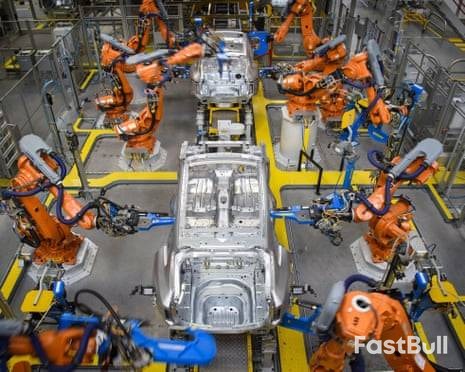
Figure 1: A 25.5% surge in motor vehicle manufacturing was a primary driver of the UK's unexpected growth in November, reflecting a recovery from disruptions at major carmakers.
The ONS also noted that the largest contribution to service sector growth came from "professional, scientific and technical activities." It specifically highlighted strong growth in accounting, bookkeeping, auditing, and tax consultancy, hinting that the widespread speculation preceding Reeves's November 25th budget may have generated business for these firms.
Construction Sector Slump Raises Concerns
While manufacturing and services showed strength, the construction sector moved in the opposite direction, contracting by 1.3%. This decline underscores persistent fears that the government's ambitions for a building boom are not materializing.
Looking at a broader timeframe to smooth out monthly volatility, the ONS reported that gross domestic product (GDP) grew by 0.1% in the three months to November. This more modest figure was dampened by the earlier shutdown at Jaguar Land Rover.
Expert Analysis: Cautious Optimism Prevails
Economists offered a mixed but generally positive interpretation of the data. Yael Selfin, chief economist at KPMG UK, suggested the economy had "found its footing" in November. "Despite the uncertainty ahead of the budget, economic activity accelerated," she said, adding that she expects growth momentum to continue and noted "tentative signs of a pick-up in household spending."
The National Institute of Economic and Social Research (NIESR) indicated the data points to an overall growth rate of 1.4% for 2025. Ben Caswell, a senior economist at NIESR, commented that the Chancellor's budget moves appeared to have "eased speculation over future tax policy and the uncertainty that came with it."
However, Suren Thiru, economics director at the Institute of Chartered Accountants in England and Wales, offered a more cautious view. He argued this "return to growth probably won't trigger a sustained economic revival," forecasting weaker growth in 2026 due to a higher tax burden and rising unemployment.
Political Reaction and Economic Outlook
The figures drew sharp criticism from the opposition. Shadow Chancellor Mel Stride stated, "This morning's news that growth is flat-lining is more evidence of Labour's economic mismanagement." He argued that Labour's budget would leave working people worse off and weaken the economy.
Meanwhile, the economic landscape continues to evolve. UK borrowing costs dropped to their lowest level in over a year on Wednesday, driven by hopes for further interest rate cuts from the Bank of England. Chancellor Reeves is known to be keen on more rate cuts to help ease cost-of-living pressures.
Thiru believes the stronger growth data could influence the central bank's timing. "These figures make a February interest rate cut less likely," he noted, as they may give rate-setters concerned about inflation enough confidence to delay easing policy.
Further clarity on the state of the economy is expected next week with the release of new inflation and unemployment data. The Chancellor is also expected to announce additional support for the hospitality sector following a backlash over business rates changes.


