

UK Bets Big on Offshore Wind, But at What Cost to Bills?
 Isaac Bennett
The UK is significantly expanding offshore wind capacity for its 2030 clean power goals, sparking debate over rising household costs and economic competitiveness.
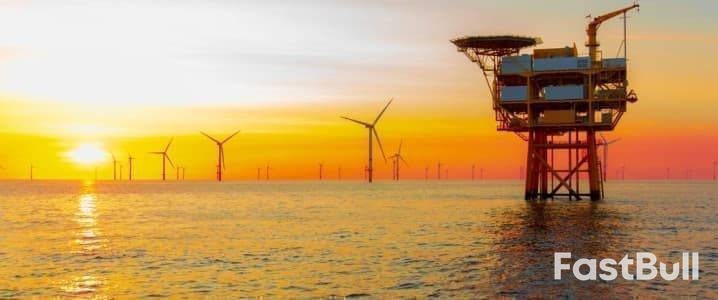
The UK government is pushing ahead with its 2030 clean power goals by launching the largest-ever expansion of offshore wind farms, a move that could add up to £1.8 billion annually to household energy bills.
In a recent auction, the government unveiled offshore energy sites with a combined capacity of 8.4 gigawatts—an output far exceeding analyst expectations and sufficient to power approximately 12 million homes.
Ed Miliband, the secretary of state for energy security and net zero, described the initiative as a "monumental step towards clean power by 2030," arguing that the new wind farms will be significantly cheaper to build than new gas plants.
The Push for Energy Sovereignty
The auction moves the UK closer to its ambitious target of generating 100% of its electricity from renewable sources by 2030. To drive this rapid expansion, however, ministers agreed to pay developers substantially more in this auction compared to last year's, which itself was pricier than the 2024 sale.
The government has positioned its green energy strategy as a flagship policy, framing the 2030 target as one of the most ambitious globally. The official argument is that this investment will ultimately lower bills by freeing the UK from "volatile" international oil and gas markets.
"With these results, Britain is taking back control of our energy sovereignty," Miliband stated. "This is a historic win for those who want Britain to stand on our own two feet, controlling our own energy rather than depending on markets controlled by petrostates and dictators."
Mounting Criticism and Economic Headwinds
Despite the government's optimism, the policy faces significant criticism, particularly as it coincides with multi-year lows in global oil and gas prices. Even with market shocks like Donald Trump's capture of Venezuela's Nicola Maduro and ongoing instability in the Middle East, crude oil is at its lowest nominal price in nearly five years.
Meanwhile, UK energy bills remain high, largely because the costs of the green transition are passed directly to households through a levy system that adds subsidies to customer bills.
An 'Expensive Vanity Project'
Claire Coutinho, the shadow energy secretary, sharply criticized Miliband's decision to grant developers 20-year guaranteed price contracts. She argued that he cared "more about his own clean power vanity project" than about consumers.
"He is cementing our uncompetitive electricity prices for even longer at a time when the world is becoming more unstable and we need cheap, reliable energy to compete," she wrote on X, adding, "Labour promised to cut your bills by £300. This was how Ed Miliband said he was going to do it."
Maurice Cousins, campaign director at Net Zero Watch, echoed these concerns, calling the auction "another hammer blow to the British economy." He dismissed claims that the results are cost-neutral.
"At £95/MWh (2026 prices), this is not a win," Cousins said. "It is a confession that the government's energy plan cannot deliver cheaper power. Moreover, once you factor in the so-called Clean Industry Bonus, prices are closer to £105/MWh."
He compared the deal to locking into a high-cost mortgage for two decades. "By the time network charges, balancing costs and other green levies are added, British businesses and families will still be left paying far more than our international competitors."
Balancing Ambition with Grid Reality
The latest auction represents the penultimate realistic opportunity for the government to scale up renewable capacity in time to meet its 2030 target. Next year's auction will need to secure an additional 7 gigawatts of wind farm capacity to stay on track.
Industry experts caution that a singular focus on wind is not enough. Enrique Cornejo, energy policy director at Offshore Energies UK, noted that while the auction is a "positive step," the grid's stability remains a priority.
"The UK will still need continued investment in producing homegrown gas and maintaining our gas generation infrastructure, which remains essential for providing the dispatchable power needed to keep the lights on when the wind doesn't blow and the sun doesn't shine," Cornejo said. "Long-term success for UK energy policy will rely on a balanced approach."


