

Trump's Housing Plan: Lower Rates, Not Prices
 Oliver Scott
Donald Trump's housing strategy aims for affordability via lower mortgage rates while safeguarding home values, a paradox economists warn could further inflate prices instead of solving the crisis.
Donald Trump has a clear goal for the U.S. housing market: make it more affordable without letting home prices fall. His strategy hinges on lowering borrowing costs, specifically mortgage rates, while actively protecting the wealth of current homeowners.
However, economists question whether this approach can meaningfully tackle the housing affordability crisis, as it avoids addressing the core issue of high property values.
The Strategy: Target Mortgages, Shield Home Values
In a speech at the World Economic Forum in Davos, former President Trump laid out his vision. He argued that increasing the housing supply to drive down prices would disrupt the market and erode the wealth homeowners have built, especially since values soared post-pandemic.
"I am very protective of people that already own a house," Trump said. "Because we have had such a good run, the house values have gone up tremendously, and these people have become wealthy."
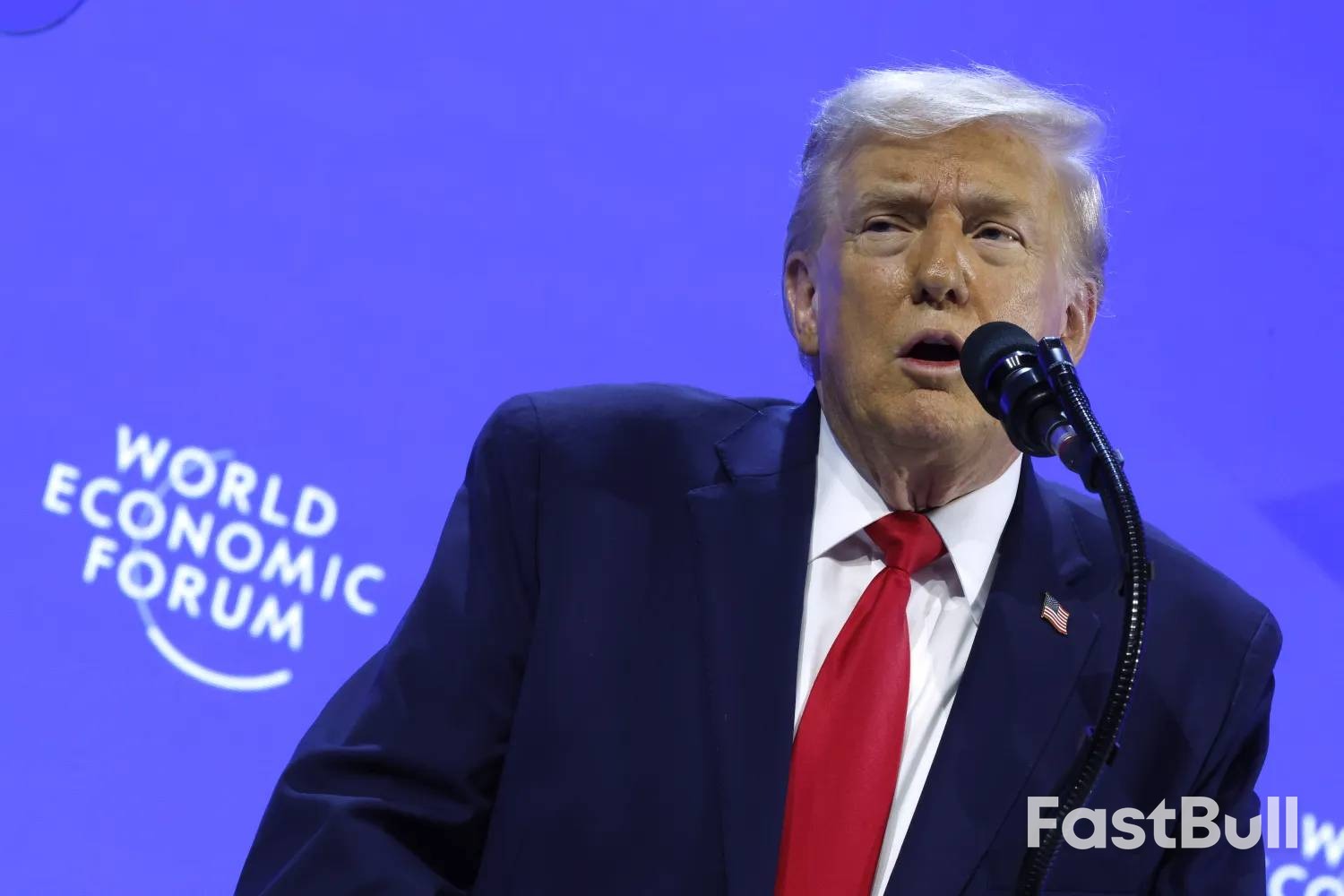
Figure 1: Donald Trump outlining his economic vision at the World Economic Forum in Davos, where he emphasized protecting existing homeowner wealth.
He framed lower interest rates as a solution that is "good for everybody." This signals a clear preference for one policy lever over another.
"This suggests that the administration sees lower mortgage rates as the preferred channel through which to improve affordability," noted Wells Fargo economists Charlie Dougherty and Ali Hajibeigi.
Yet, some experts argue that addressing high prices is unavoidable. "As a homeowner, I don't want to see the value of my property go down," said Shelton Weeks, an economics professor at Florida Gulf Coast University. "Ultimately, that bit of pain for other homeowners is the pathway to truly alleviating the housing affordability crisis."
The Risk of Fueling an Already Hot Market
Trump's proposals have consistently focused on reducing the cost of borrowing. Key initiatives include:
• Directing government-backed mortgage giants Fannie Mae and Freddie Mac to purchase $200 billion in mortgage bonds to help lower rates.
• Floating the idea of creating 50-year mortgages to provide homebuyers with more financing options.
While lower mortgage rates make monthly payments cheaper, they also risk stimulating demand. Without a corresponding increase in the number of homes for sale, this could backfire.
"Unless new listings pick up substantially, the lack of supply is likely to drive up prices, offsetting much of the affordability gain from lower mortgage rates," wrote Ben Ayers, a senior economist at Nationwide.
The Wealth Effect and Consumer Spending
Protecting high home values has a direct impact on the broader economy. When homeowners feel wealthier due to rising property values, they tend to spend more—a phenomenon known as the "wealth effect."
"Because a home is often the largest source of family wealth, price swings can materially impact how people spend, save and borrow," the Dallas Federal Reserve explained in a recent report.
This housing wealth has been a key factor supporting strong consumer spending, which accounts for over two-thirds of U.S. economic activity. Data from the Bureau of Economic Analysis showed consumer spending rose 0.3% in both October and November. Trump's policy aims to keep this engine running.
"Affluent consumers continued to buoy spending with an extra boost from wealth effects," said Diane Swonk, chief economist at KPMG.
A Limited Approach to Housing Supply
While prioritizing rate reduction, Trump has proposed some measures to increase the housing supply available to typical buyers. An executive order aims to ban large institutional investors from purchasing homes, targeting Wall Street's growing stake in the residential market.
However, analysts believe this move may have a limited impact. According to Wells Fargo, institutional investors account for a relatively small 2.5% share of the market. Furthermore, the policy's wording suggests it may not be an absolute prohibition.
"The order only appears to erect hurdles for additional home sales to investors and does not look to be an outright ban," Wells Fargo economists wrote. "There is no mention of completely stopping new sales, or mandating the liquidation of existing portfolios."
Trump himself acknowledged the tension between affordability and property values. "Every time you make it more and more and more affordable for somebody to buy a house cheaply, you're actually hurting the value of those houses," he said. "And I don't want to do anything that's going to hurt the value of people that own a house."


