

Trump's 'Great Healthcare Plan': What You Need to Know
 Henry Thompson
President Trump's new healthcare plan proposes replacing ACA subsidies with direct HSA payments, aiming for lower drug prices and insurer transparency amid rising costs and political division.
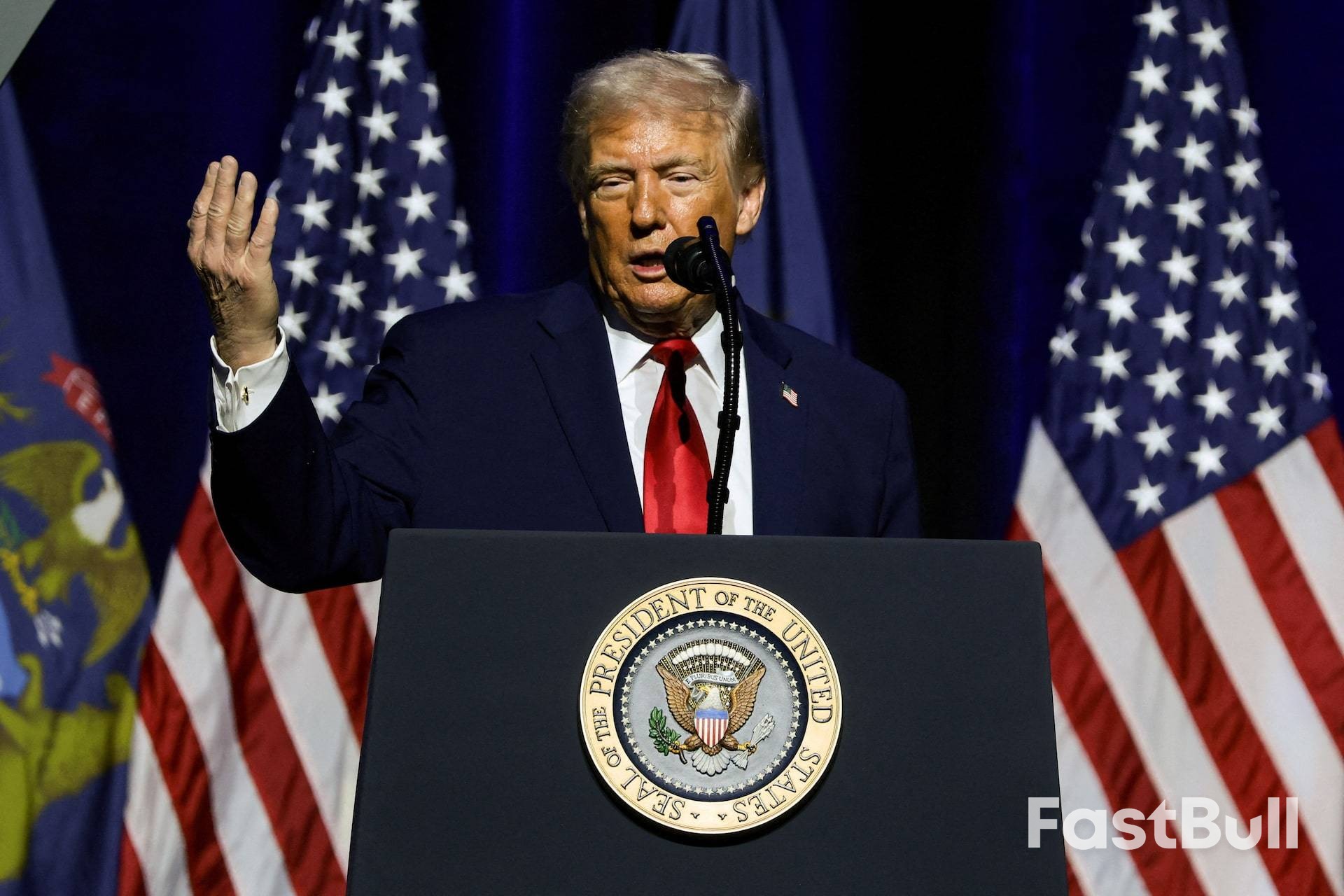
President Donald Trump outlines his administration's new healthcare proposal.
President Donald Trump has unveiled a new healthcare framework aimed at overhauling the U.S. insurance market. The proposal seeks to replace government subsidies with direct payments into Americans' health savings accounts, a significant shift announced as millions face rising insurance costs.
The White House is calling on a deeply divided Congress to pass the plan into law, expressing confidence that it will receive bipartisan support. According to Centers for Medicare & Medicaid Services Administrator Mehmet Oz, the framework is designed to address longstanding challenges in the American healthcare system. However, no timeline for implementation has been provided.
Core Features of the New Healthcare Plan
Dubbed "The Great Healthcare Plan," the proposal centers on several key reforms intended to lower costs and increase transparency. The administration claims the plan will reduce drug prices and insurance premiums while holding insurance companies more accountable.
The plan’s main components include:
• Direct Payments: Replacing government subsidies under the Affordable Care Act (ACA) with direct payments into consumer health savings accounts.
• Lower Drug Prices: Making Trump's "most-favored-nation" drug pricing deals into law.
• OTC Access: Expanding the availability of medicines for over-the-counter purchase.
• Cost Reduction: Implementing an insurance cost-sharing program projected to lower premiums for the most common Obamacare plans by over 10%.
The Shift from Subsidies to Direct Payments
The central pillar of Trump's plan is changing how the government helps people afford health insurance. Currently, subsidies are paid to insurance companies to lower costs for eligible individuals. The new plan would instead deposit those funds directly into personal health savings accounts.
This approach aligns with the position of Congressional Republicans who oppose extending ACA subsidies. Critics, however, argue this change could negatively impact lower-income Americans, potentially forcing them toward high-deductible or short-term insurance plans that offer less coverage.
Confronting Rising Premiums and Political Hurdles
The plan's announcement coincides with the close of open enrollment for most federally subsidized Obamacare plans and a sharp rise in healthcare costs. According to health policy firm KFF, average premium costs are set to increase from $888 in 2025 to $1,904 in 2026—a jump far exceeding the savings promised by the administration's proposal.
Congress is already debating whether to reinstate expired COVID-era tax credits that previously helped lower costs. While some bipartisan negotiations are underway, Republicans are divided on the issue. The administration's plan does not directly address these negotiations, and Trump has indicated he may veto any legislation to extend the subsidies.
A Strategy for Lowering Drug Costs
A key part of the plan is to codify the "most-favored-nation" approach to drug pricing. This policy pressures pharmaceutical companies to lower their prices in the U.S. to match what they charge in other wealthy nations.
Trump has already negotiated such deals with 14 drugmakers for the government's Medicaid program and for cash payers. Under the new plan, these existing agreements would be grandfathered into the new legislation.
New Transparency Rules for Insurers and PBMs
The proposal also takes aim at industry middlemen and mandates greater transparency from insurance providers. Pharmacy benefit managers (PBMs), who negotiate drug prices, are specifically targeted.
Insurance companies would face new disclosure requirements, including:
• Publishing their rates and coverage comparisons online in "plain English."
• Revealing the percentage of revenue paid out in claims versus what is kept for overhead and profit.
• Making public their claim rejection rates and the average wait times for routine care.
Additionally, any healthcare providers and insurers that accept Medicare or Medicaid funding would be required to post their pricing and fees. According to Oz, the Trump administration did not discuss the plan with health insurance companies before its announcement.


