

Trump Claims Putin Agreed to Ukraine Ceasefire Amid Freeze
 James Riley
Trump claims Putin agreed to a Ukraine halt. Moscow is silent; Kyiv skeptical, exposing diplomatic uncertainty.
U.S. President Donald Trump announced Thursday that he secured a one-week pause in Russian attacks on Kyiv and other Ukrainian cities from President Vladimir Putin, citing the region's severe cold temperatures. The Kremlin has yet to confirm any such agreement.
The announcement comes as Russia continues its campaign of targeting Ukraine's critical infrastructure, a strategy designed to weaken public resolve by cutting off heat and power during the coldest months of winter.
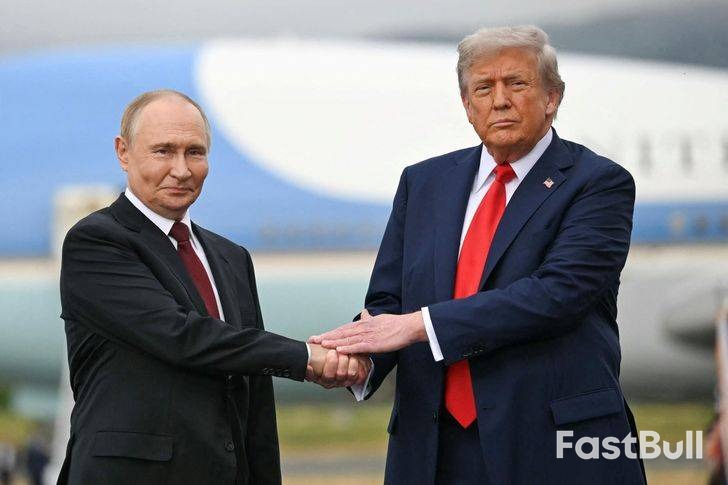
Figure 1: U.S. President Donald Trump (right) with Russian President Vladimir Putin. Trump announced he personally asked Putin to halt attacks on Ukrainian cities for one week during a severe cold snap.
A Temporary Halt to Hostilities?
Speaking at a White House Cabinet meeting, Trump said he personally requested the pause from the Russian leader.
"I personally asked President Putin not to fire on Kyiv and the cities and towns for a week during this ... extraordinary cold," Trump stated, adding that Putin "agreed to that."
The Republican president expressed satisfaction with the outcome. "A lot of people said, 'Don't waste the call. You're not going to get that,'" Trump remarked. "And he did it. And we're very happy that they did it."
However, details about the timing and scope of this limited ceasefire in the nearly four-year war remain unclear. Trump did not specify when his call with Putin occurred or when the pause would begin, and the White House did not immediately provide further information.
Kyiv's Skepticism Amid Russian Silence
Ukrainian President Volodymyr Zelenskyy had warned late Wednesday that intelligence suggested Moscow was preparing for another major barrage, casting doubt on the pause just as U.S.-brokered peace talks are scheduled for the weekend.
From Moscow, Kremlin spokesman Dmitry Peskov declined to comment when asked earlier on Thursday if a mutual halt on strikes against energy facilities was under discussion.
Ukraine is bracing for a brutal cold front, with temperatures expected to drop as low as minus 30 degrees Celsius (minus 22 Fahrenheit) in some areas starting Friday, according to the State Emergency Service. Ukrainian officials have consistently described Russia's strategy of targeting civilian infrastructure during winter as "weaponizing winter."
The War's Escalating Human Cost
The ongoing attacks continue to discredit the peace process, according to Zelenskyy. "Every single Russian strike does," he said Wednesday.
Last year was the deadliest for civilians in Ukraine since Russia's full-scale invasion on February 24, 2022. The U.N. Human Rights Monitoring Mission reported that intensified Russian aerial attacks behind the front line killed 2,514 civilians and injured 12,142, a 31% increase from 2024.
The daily bombardments persist. Overnight, a Russian drone attack in the southern Zaporizhzhia region killed three people and started a large fire in an apartment building. In the central Dnipropetrovsk region, two people were injured as firefighters battled blazes caused by strikes.
Diplomatic Tracks and Battlefield Realities
While diplomatic efforts continue, international partners remain wary of Russia's commitment. The European Union's top diplomat, Kaja Kallas, accused Russia of not taking the negotiations seriously and called for increased pressure on Moscow.
"We see them increasing their attacks on Ukraine because they can't make moves on the battlefield. So, they are attacking civilians," Kallas said Thursday in Brussels. She insisted that Europe must be fully involved in any talks, expressing concern that European security interests might be overlooked in a settlement process led primarily by the Trump administration.
In contrast, Trump's special envoy, Steve Witkoff, expressed optimism. He noted that "a lot of progress" was made in recent talks and anticipates more headway in the coming days. "I think the people of Ukraine are now hopeful and expecting that we are going to deliver a peace deal sometime soon," Witkoff said.
An international think tank report published Tuesday projected a grim milestone, estimating that the total number of soldiers killed, injured, or missing on both sides could reach 2 million by spring.
The Technological Front: Starlink in the Crosshairs
The conflict is also being fought on a technological front. Ukrainian Defense Minister Mykhailo Fedorov confirmed Thursday that Ukraine is working with SpaceX to address Russia's reported use of the Starlink satellite service for its attack drones.
Fedorov said on Telegram that his team had contacted the aerospace company run by Elon Musk and "proposed ways to resolve the issue." He thanked Musk and SpaceX President Gwynne Shotwell for their "swift response."
SpaceX has navigated a complex position throughout the war. A year after the invasion, Shotwell stated the company was happy to provide connectivity to Ukrainians but also sought to restrict the use of Starlink for military purposes.


