

Trump Admin Scraps Price Guarantees for Critical Minerals
 Edward Lawson
The Trump administration has reversed course on critical mineral price guarantees, citing funding issues. This policy shift pushes U.S. miners toward financial independence, reshaping industry prospects.
The Trump administration is backing away from its plan to provide guaranteed minimum prices for U.S. critical minerals projects, a significant policy reversal confirmed by multiple sources. This shift signals a new reality for domestic mining companies, driven by a lack of congressional funding and the complexities of market intervention.
This move marks a departure from earlier commitments to the industry and could distance Washington from G7 partners, who have been discussing joint price supports to bolster the production of minerals vital for electric vehicles, defense systems, and electronics. The change in strategy is already under the microscope, as a U.S. Senate committee is currently reviewing a price floor that was extended to MP Materials last year.
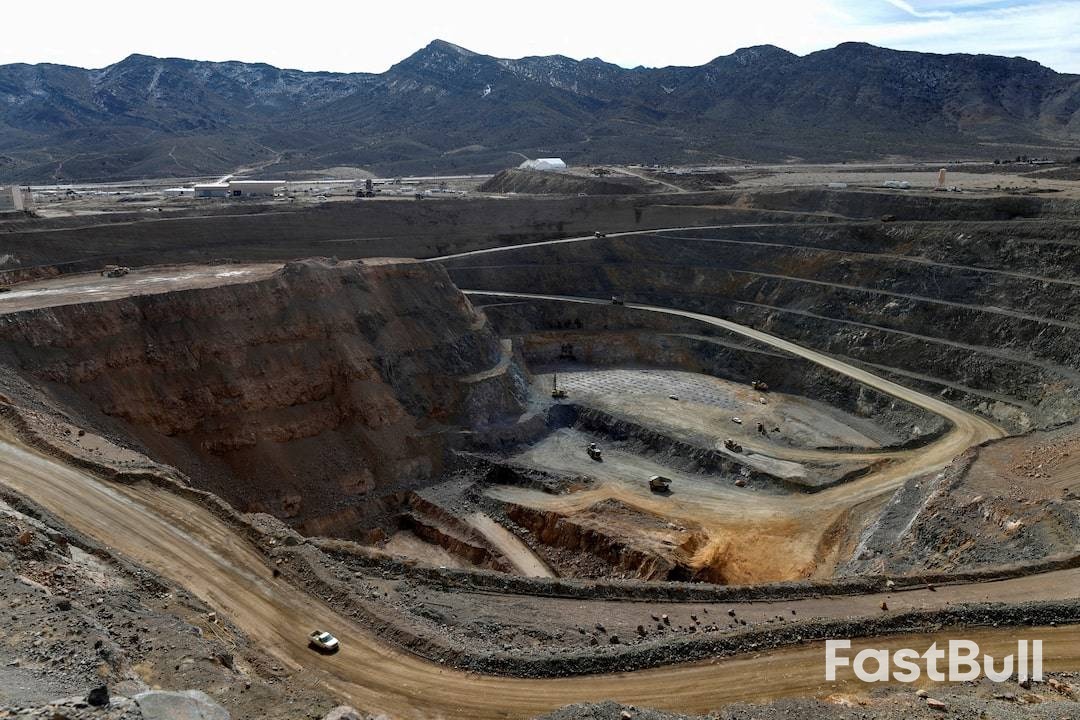
Figure 1: Large-scale mining operations, like this open-pit mine, require significant capital and face market volatility, which is why U.S. producers have sought government price supports.
Industry Told to Stand on Its Own
At a private meeting this month hosted by a Washington think tank, senior Trump administration officials delivered a direct message to U.S. minerals executives: government price supports are off the table. According to three attendees, the officials stated that projects must prove their financial independence without federal guarantees.
"We're not here to prop you guys up," said Audrey Robertson, an assistant secretary at the U.S. Department of Energy, during the meeting. "Don't come to us expecting that."
Robertson, who heads the Office of Critical Minerals and Energy Innovation, was joined by Joshua Kroon of the Commerce Department's International Trade Administration. Both officials confirmed that Washington is no longer in a position to offer price floors.
This stance is a stark contrast to a similar closed-door meeting last July. At that time, officials told executives that the price floor granted to MP Materials was "not a one-off" and that the administration was actively developing similar support for other projects.
Why the Shift Away from Price Floors?
U.S. mining and processing companies have long advocated for price floors as a necessary tool to compete with China. Industry leaders argue that China's state-backed producers can manipulate global prices to undercut competitors, deter private investment, and maintain market dominance.
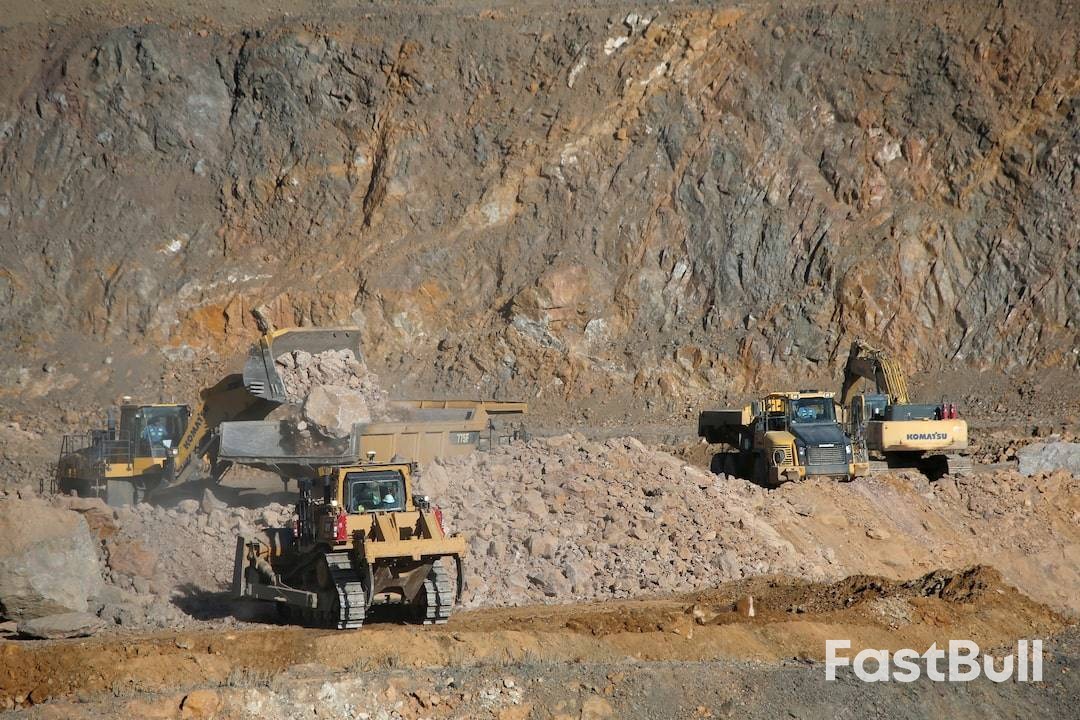
Figure 2: The financial viability of U.S. critical minerals projects is now under pressure as the government steps back from offering price guarantees.
However, critics of price floors warn of significant financial risks. Such guarantees could expose U.S. taxpayers to long-term liabilities by forcing the government to subsidize minerals if market prices fall. Legal experts also note that these supports could face challenges under U.S. procurement and trade laws, as they might be viewed as market-distorting subsidies that lack explicit congressional authorization.
The White House declined to comment on future price floors but affirmed its commitment to deregulation, tax cuts, and targeted investments in the sector, emphasizing its role as a "good steward of taxpayer dollars."
MP Materials Deal Under Senate Scrutiny
The administration's pivot appears linked to the fallout from its investment in MP Materials. That deal, which included a guaranteed purchase agreement for two types of rare earths at a minimum of $110 per kilogram, raised concerns among some officials and members of Congress. According to two sources, a key issue was that the funding for the price floor had not been authorized by Congress.
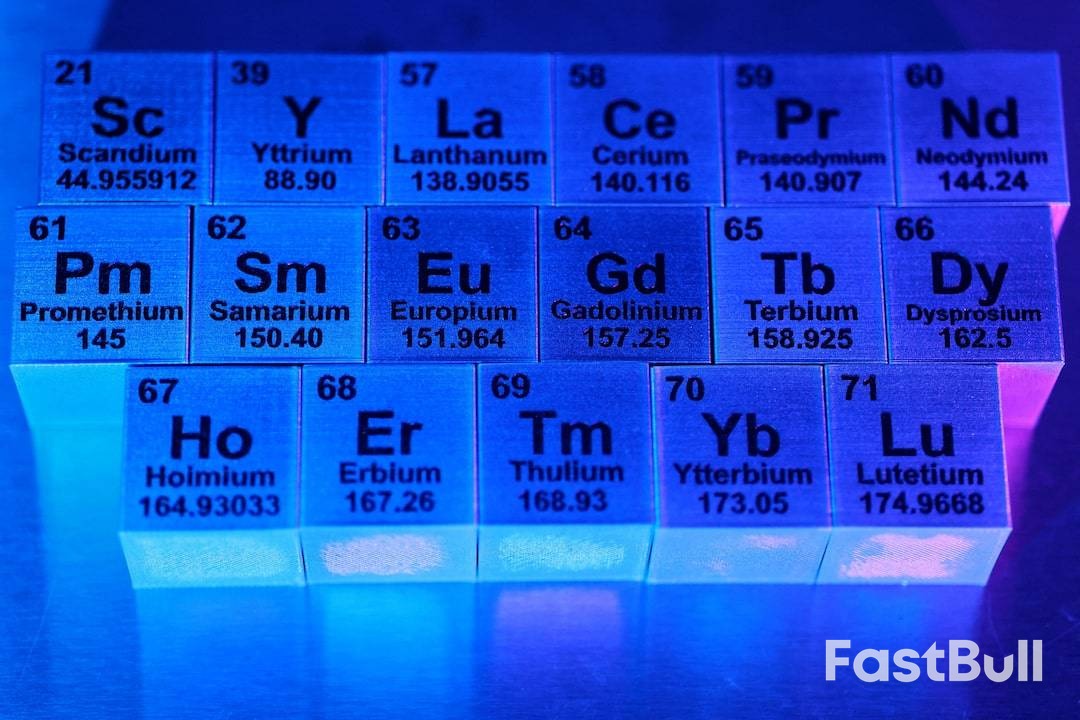
Figure 3: The policy reversal impacts the production of rare earth elements, part of the Lanthanide series, which are essential for defense and technology sectors.
Market dynamics have also shifted since the investment was made. USA Rare Earth announced this week its intention to purchase the same rare earths on the open market for $125 per kilogram, above MP's guaranteed price.
The MP deal created confusion over whether Washington would offer similar terms to other companies. Sources say that as the administration considered other equity investments, it realized it lacked the congressional authority to fund more price floors. This conclusion was reinforced by an inquiry from the Senate Armed Services Committee, which requested a meeting with Pentagon staff last year to explain the rationale behind the MP Materials support and the government's broader investment strategy in the minerals sector.
Alternative Strategies to Bolster US Production
While price floors may be off the table, the administration has other tools to support domestic critical minerals projects and counter foreign influence. These include:
• Equity Investments: The government has already taken equity positions in companies like Lithium Americas, Trilogy Metals, and USA Rare Earth.
• Strategic Stockpiling: Building national reserves of critical minerals can help stabilize demand and prices.
• Local Content Requirements: Mandating the use of domestically sourced materials can create a reliable market for U.S. producers.
Other nations, including Australia, have also explored price floors, highlighting the global challenge of securing stable supply chains for minerals essential to the modern economy.


