

Powell's Positive Outlook Complicates Trump's Rate Cut Push
 Kevin Morgan
The Fed's upbeat economic assessment counters Trump's rate cut push, setting a complex political stage.
Following its January meeting, the Federal Reserve delivered an optimistic assessment of the U.S. economy, but the positive report creates a complex political landscape for former President Donald Trump. Fed Chair Jerome Powell's confident tone suggests the central bank sees little reason to implement the interest rate cuts that Trump has publicly demanded, setting the stage for a potential conflict between monetary policy and political objectives.
Powell Signals Economic Resilience
In his post-meeting press conference, Chair Powell outlined several indicators pointing to a surprisingly durable economy, a stabilizing labor market, and progress on inflation.
Key takeaways from his assessment include:
• Inflation: Disinflation is now visible in the services sector, although tariffs continue to keep goods inflation elevated. Crucially, long-term inflation expectations remain anchored within the Fed's preferred 2% target.
• Economic Activity: Powell noted that economic activity has been solid, with resilient consumers and continued business investment. He acknowledged, however, that the housing sector remains a notable weak spot.
• Labor Market: After a period of softening, data suggests the labor market is stabilizing. While job growth is slowing—partly due to slower workforce growth from lower immigration and participation—key metrics like job openings, layoffs, and wage growth have held steady.
Powell also acknowledged that the previous government shutdown likely had a temporary negative impact on the economy but expects a rebound in the current quarter.
The Political Dilemma: Why Good News is Bad for Trump
A strong economic report presents a direct challenge to Donald Trump, who has been a vocal proponent of the Fed lowering interest rates to stimulate the economy further. The central bank's dual mandate requires it to pursue stable prices and maximum employment. With inflation still running at 3% in January and the labor market showing signs of stability, the justification for rate cuts weakens considerably.
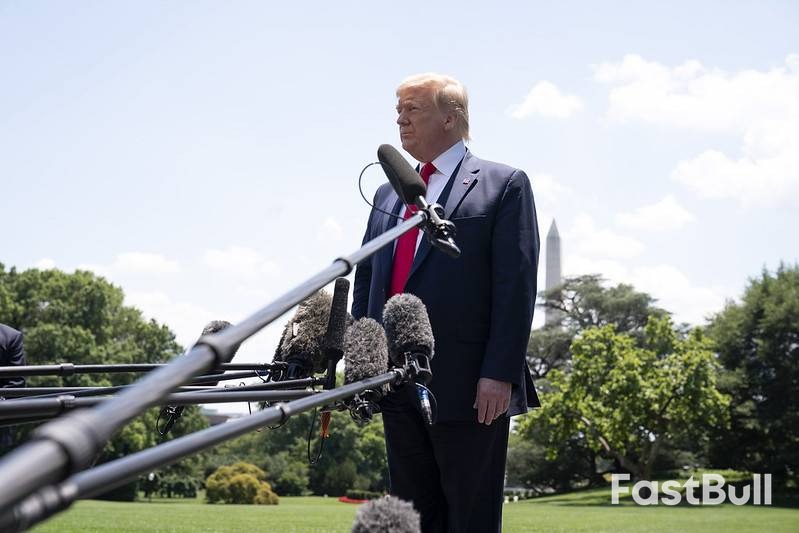
Figure 1: Former President Donald Trump has publicly advocated for the Federal Reserve to lower interest rates, creating tension with the central bank's policy outlook.
If the Fed were to cut rates now, it would risk over-stimulating demand and reigniting inflationary pressures. As long as consumers remain resilient and employment holds up, the Fed has a strong case for maintaining its current policy stance. While Trump's criticism of the Fed is prominent, he is not the first president to pressure the central bank on interest rate policy.
Voter Concerns and the Affordability Crisis
The debate over interest rates is unfolding against a backdrop of widespread economic anxiety among voters. Many Americans are grappling with an affordability crisis, as the surge in inflation since the pandemic has driven up the cost of living.
Housing costs, in particular, now consume a much larger share of income. For many, even rising salaries have not been enough to cover daily expenses while also saving for retirement or a home purchase. With midterm elections scheduled for later this year, the economy is a top issue for voters. Trump and the Republican party are keen to maintain their congressional majority to advance their agenda, making interest rates and affordability central political concerns.
Market Expectations vs. Fed Reality
Despite the Fed's steady message, financial markets are still pricing in two interest rate cuts this year. However, if incoming data continues to confirm a stable labor market and ongoing disinflation, the central bank will have little incentive to act.
A decision to hold off on cuts could negatively impact the stock market, creating another political headache for Trump. At the same time, the economic outlook can change rapidly. Monthly inflation and labor reports have been difficult to predict, meaning the potential for more rate cuts than expected—or none at all—remains a key uncertainty for investors to monitor.


