

Poland Eyes Rate Cuts as Inflation Decline Deemed 'Durable'
 Frederick Miles
Poland's central bank signals probable 2026 rate cuts, citing robust growth and durable disinflation as easing resumes.
The National Bank of Poland (NBP) is signaling a clear shift in its stance on inflation and monetary policy, suggesting that further interest rate cuts could be on the horizon. Governor Adam Glapiński presented an optimistic view of the Polish economy, highlighting robust growth and a lasting decline in price pressures.
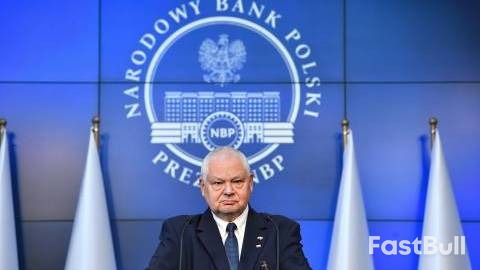
Figure 1: National Bank of Poland Governor Adam Glapiński discusses the country's favorable economic forecast and monetary policy outlook.
Strong Growth Sets Poland Apart
Governor Glapiński emphasized Poland's favorable economic position, noting that real GDP in the third quarter of 2025 was approximately 17% higher than pre-pandemic levels. Since 2004, the country's average GDP growth has hovered near 4%, nearly triple the rate seen in the euro area.
Looking ahead, the outlook for 2026 remains strong, partly fueled by an inflow of funds from the EU's Recovery and Resilience Facility. The central bank expects this trend of solid economic growth combined with low inflation to continue through the end of 2027.
Why Lower Inflation Is Here to Stay
The central bank now assesses the recent drop in inflation as durable. According to Glapiński, current forecasts indicate inflation will likely remain within the NBP's target band of 2.5% (±1 percentage point) throughout 2026.
This confidence is based on several key factors:
• Easing Domestic Pressure: Inflationary pressure from the services sector is gradually softening, aided by a slowdown in wage growth. This trend in wages is expected to continue.
• Global Disinflation: The international economic environment is contributing to lower prices, with weak crude oil, natural gas, and, more recently, food prices.
• Import Dynamics: A sharp rise in imports of cheap goods from China is exerting downward pressure on prices in Europe, including Poland.
• Productivity Gains: Increasing productivity is supporting economic growth while also acting as a natural disinflationary force.
While the governor acknowledged some upside risks—such as potential demand pressure and fiscal imbalances—he noted that this list of concerns is shrinking with each policy meeting.
Paving the Way for Monetary Easing
The NBP's Monetary Policy Council is currently in a declared pause, analyzing the effects of its previous decisions. However, Glapiński confirmed that the prevailing sentiment within the council is dovish, and he believes there is still room to ease monetary policy.
While most of the policy adjustments have already been made, he described the current phase as "fine-tuning." The governor suggested that the target interest rate is around 3.50%, which would translate to a real interest rate of 1.0–1.5%. Policy decisions will continue to be made on a meeting-by-meeting basis, guided by incoming economic data and forecasts.
Outlook: Rate Cuts Expected to Resume in 2026
The governor's first press conference of 2026 marked a significant change in rhetoric. His explicit statement that the decline in inflation is lasting, coupled with less focus on upside risks, points toward a renewed appetite for rate cuts.
With inflation projected to fall further in the first months of 2026, the risk of undershooting the central bank's inflation target in the medium term is growing. This suggests the current pause in monetary easing will likely be brief. We anticipate a 25-basis-point rate cut in March, with the NBP's policy rate potentially falling from its current 4.00% to 3.25% by the end of the year.


