

Nvidia Vows OpenAI Investment Despite 'On Ice' Reports
 Henry Thompson
Nvidia CEO Jensen Huang confirmed ongoing investment in OpenAI, dispelling reports of a stalled $100B deal amidst the AI chip landscape's diversification.
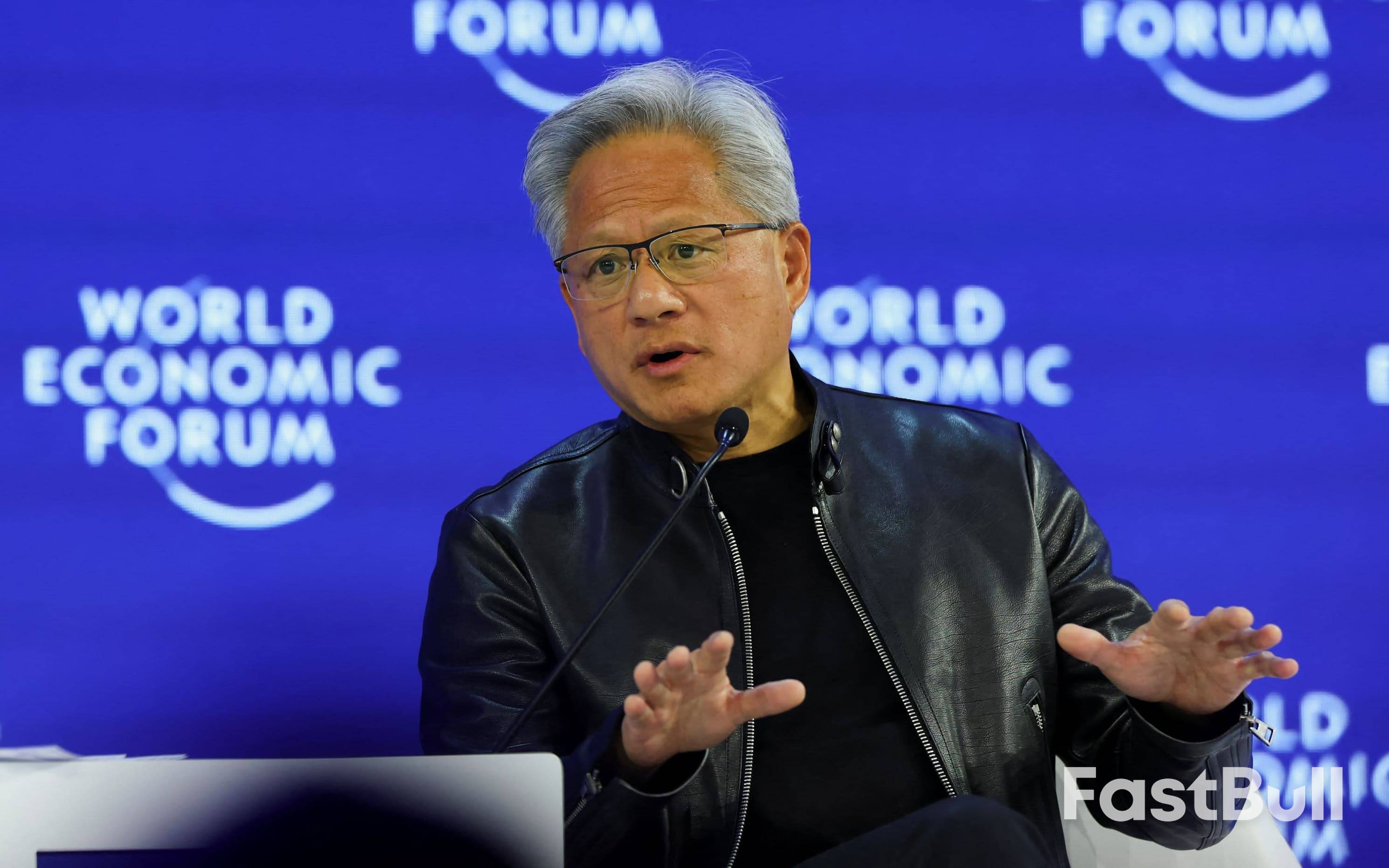
Nvidia CEO Jensen Huang discusses the future of technology and AI at the World Economic Forum in Davos.
Nvidia CEO Jensen Huang has reaffirmed the company's plan to invest in OpenAI, directly pushing back on recent reports suggesting the landmark deal was in jeopardy.
"There's no drama involved. Everything's on track," Huang stated in a Tuesday interview with CNBC's Jim Cramer. His comments came as Nvidia's stock fell over 3.4% amid a wider tech sell-off, with shares now trading 13% below their October peak.
The $100 Billion AI Deal Under Scrutiny
The partnership first made headlines in September when Huang and OpenAI CEO Sam Altman announced a letter of intent. The plan outlined a staggering investment of up to $100 billion from Nvidia into the AI research lab, which would use the funds to build out AI infrastructure powered by Nvidia technology and requiring up to 10 gigawatts of power.
However, doubts began to surface. An SEC filing in November revealed the deal had not been finalized. The speculation intensified over the past weekend after a Wall Street Journal report claimed the agreement was "on ice."
Huang's Commitment to Future Funding
In his latest remarks, Huang sought to end the uncertainty by confirming Nvidia's participation in OpenAI's next fundraising round, which he described as potentially the "largest private round ever raised in history."
Last month, reports indicated that OpenAI was in discussions for a new funding round that could raise as much as $100 billion.
"We will invest in the next round," Huang said unequivocally. "There is no question about that." He also noted that Nvidia would be open to investing in subsequent rounds and would want to participate if OpenAI pursues an eventual IPO.
Navigating a Shifting Chip Landscape
The relationship between the two tech giants is foundational, as OpenAI has historically relied on Nvidia's graphics processing units (GPUs) to train and run its powerful AI models like ChatGPT.
Yet, recent commentary from Sam Altman has highlighted a critical bottleneck: a shortage of AI chips. Altman has stated that OpenAI could generate significantly more revenue if it had greater access to computing power. In response, OpenAI has started to diversify its supply chain, striking deals with Nvidia's competitors, including Advanced Micro Devices, Broadcom, and Cerebras.
Despite these moves, Altman publicly dismissed any notion of a rift. In a post on X on Monday, he clarified his company's position.
"We love working with NVIDIA and they make the best AI chips in the world," Altman wrote. "We hope to be a gigantic customer for a very long time. I don't get where all this insanity is coming from."


