

NATO Bolsters Greenland Presence Amid US Tensions
 King Ten
European allies deploy forces to Greenland, solidifying NATO's Arctic presence and sovereignty amidst U.S. strategic interest.
European military personnel are arriving in Greenland in a calculated move to reinforce the island's security, marking the first step in Denmark's plan to establish a larger, more permanent NATO footprint in the Arctic. The deployment comes against a backdrop of persistent strategic interest from U.S. President Donald Trump, who has declared the vast, autonomous territory vital to American national security.
This initiative follows a high-stakes meeting between U.S., Danish, and Greenlandic officials that failed to resolve the diplomatic impasse. President Trump has continued to assert that Denmark cannot be relied upon to protect Greenland from potential Russian or Chinese ambitions, a claim that Copenhagen and Nuuk firmly reject.
European Allies Deploy Advance Teams
In a coordinated effort, several European nations have dispatched small military teams to Greenland to begin preparations for larger-scale drills scheduled for later this year. Though the initial numbers are modest, the message is clear.
A Danish Air Force C-130 has already landed at Nuuk airport, disembarking personnel in military fatigues. This deployment is part of a broader European contribution:
• Germany: A 13-person reconnaissance team.
• France: Approximately 15 mountain specialists, with land, air, and naval assets expected to follow.
• Sweden: Three officers.
• Norway: Two officers.
• Finland: Two military liaison officers.
• United Kingdom: One officer joining the reconnaissance group.
• Netherlands: One navy officer.
These forces will supplement the roughly 150 Danish military and civilian personnel already at the Joint Arctic Command and the 200 U.S. troops currently stationed on the island.
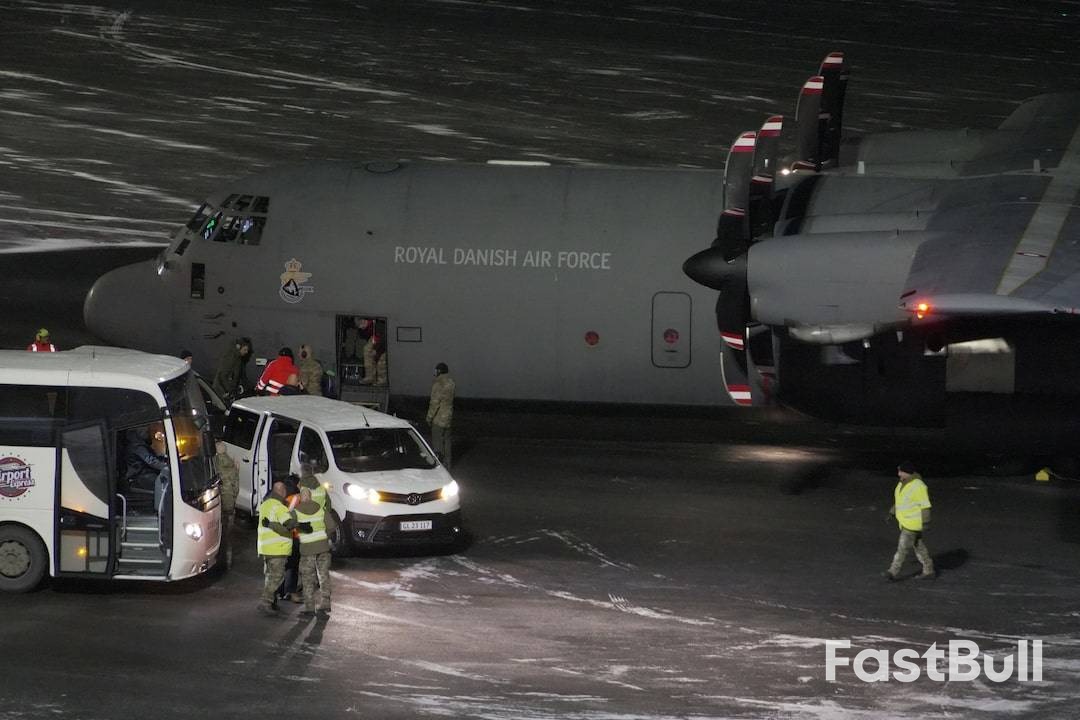
Figure 1: A Royal Danish Air Force C-130 transport plane on the tarmac in Greenland, part of the initial deployment of European military personnel to the island.
The US Factor: Trump's Strategic Push
President Trump's focus on Greenland is rooted in its strategic location and rich mineral resources. He has publicly stated that the island is essential to U.S. security and has not ruled out using force to acquire it. Both Greenland and Denmark have dismissed the notion that the island is for sale, describing such threats as reckless.
Danish Defence Minister Troels Lund Poulsen stated that the plan is for "a larger and more permanent presence throughout 2026." He added, "This is crucial to show that security in the Arctic is not only for the Kingdom of Denmark; it is for all of NATO."
A Dual Message to Washington
According to Marc Jacobsen, an associate professor at the Royal Danish Defence College, the European military deployment sends two distinct signals to the U.S. administration.
First, it acts as a deterrent, demonstrating a united front prepared to defend Greenland's sovereignty. Second, it serves as a form of reassurance, showing that European allies are taking American security concerns in the Arctic seriously and are stepping up their own military commitments in the region.
Geopolitical Ripples and Russia's Reaction
The increased military activity has drawn a sharp response from Moscow. Russia has labeled NATO's narrative of a Moscow-Beijing threat in the Arctic a "myth" intended to create hysteria. A Russian foreign ministry spokeswoman also warned that any attempt to ignore Moscow's interests in the region would not go unanswered.
The situation has created anxiety among some EU members, who have backed Denmark and warned that a U.S. military seizure of Greenland could threaten the future of the NATO alliance itself.
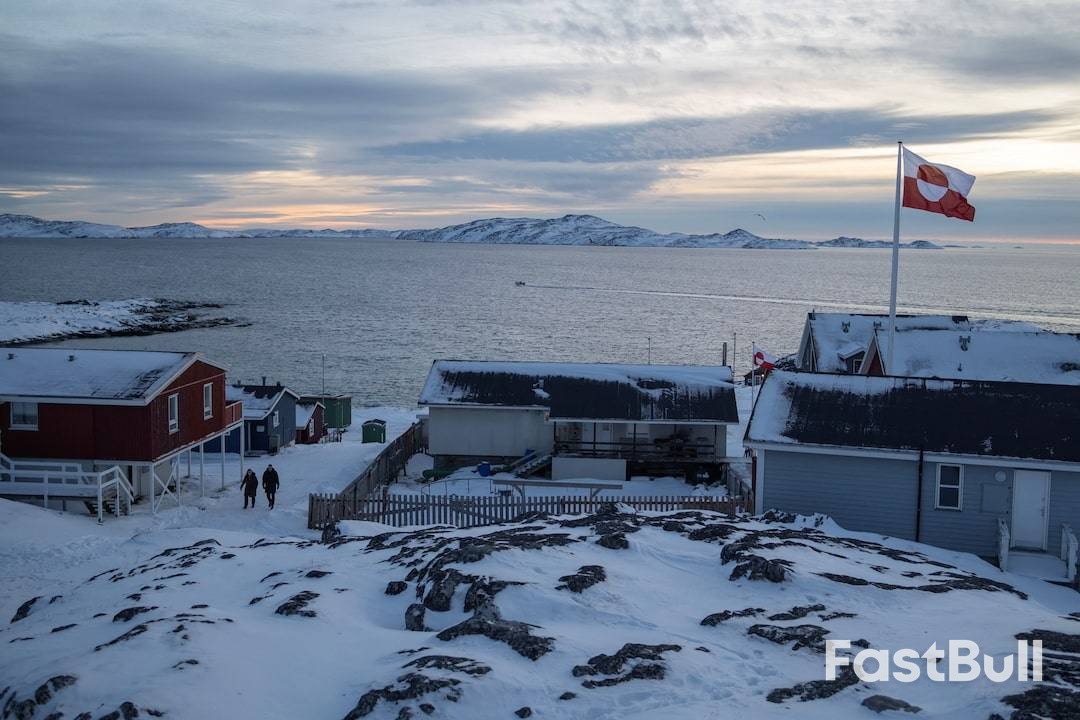
Figure 2: The strategic importance of Greenland, a vast Arctic territory with a population of around 57,000, has placed its coastal towns at the center of a new geopolitical contest.
Greenland's Unified Stand: Not for Sale
Despite the external pressures, Greenland and Denmark are maintaining a united front. After meeting with U.S. Secretary of State Marco Rubio and Vice President JD Vance, they announced the formation of a joint working group to address American concerns.
In a speech in Copenhagen, Greenland's Prime Minister Jens-Frederik Nielsen received a standing ovation after emphatically stating the island has no desire to be run by or become part of the United States.
"We choose the Greenland we know today, as part of the Kingdom of Denmark," Nielsen declared, reinforcing the island's commitment to its current autonomous status.


