

Iran Crushes Protests as Global Sanctions Mount
 James Riley
Iran's violent protest crackdown has reportedly killed thousands, prompting new sanctions and escalating regional tensions.
Nationwide protests against Iran's government appear to have been largely suppressed following a severe crackdown by authorities. After shutting down internet access, the government's response has resulted in what activists report as at least 2,637 deaths, prompting new international sanctions and escalating regional tensions.
Tehran Quiets as Authorities Solidify Control
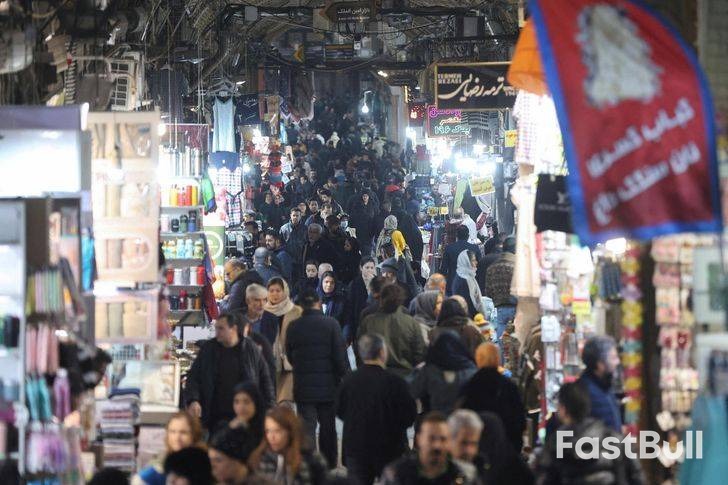
In the capital, Tehran, the visible signs of unrest have faded. Witnesses report that the bonfires and street debris common in recent days are gone, and the once-intense sound of gunfire has subsided.
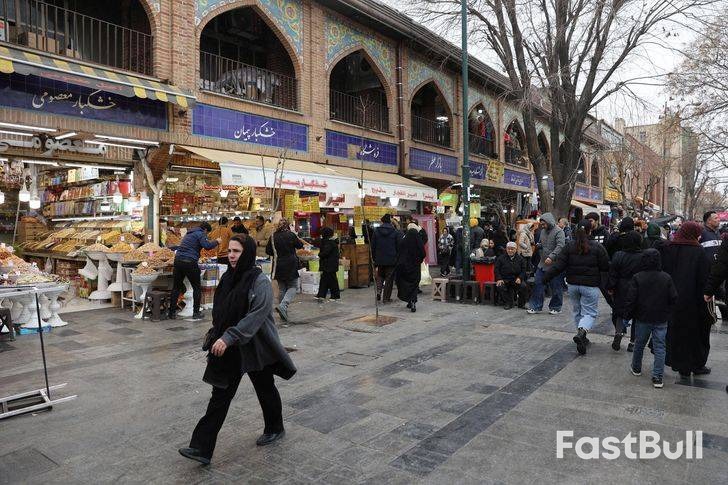
Meanwhile, state media continues to announce waves of arrests, labeling participants as "terrorists." Authorities are also reportedly searching for Starlink satellite internet dishes—the only remaining channel for protesters to share videos with the outside world.
Justice Minister Amin Hossein Rahimi underscored the government's hardline stance, stating that "anybody who was in the gathering since Jan. 8 is a criminal," according to the judiciary's Mizan news agency. State media has also broadcast reports detailing damage to hundreds of buildings, vehicles, and several heritage sites, framing the protests as a "terrorist operation."
U.S. and Europe Escalate Sanctions Pressure
In response to the crackdown, the United States has imposed new sanctions on Iranian officials accused of suppressing the demonstrations. The move was echoed by its allies, with both the Group of Seven (G7) industrialized nations and the European Union signaling their intent to increase economic pressure on Tehran.
EU chief Ursula von der Leyen confirmed the 27-nation bloc was exploring stronger sanctions "to push forward that this regime comes to an end and that there is change." The U.S. also requested an emergency meeting of the U.N. Security Council to address the situation in Iran.
Regional Tensions Flare Over Airspace Closure
As Iran works to control the domestic situation, it is also signaling concern over external threats. Early Thursday, the country shut down its airspace for over four hours without explanation, forcing international flights to reroute. This action is consistent with past moves during periods of heightened military tension, such as conflicts with Israel.
In response, the Israeli military raised its readiness level for potential missile attacks.
The airspace closure heightened safety concerns for civil aviation. The website SafeAirspace noted that most carriers were already avoiding Iranian airspace, citing "the risk of missile launches or heightened air defense, increasing the risk of misidentification of civil traffic." This warning recalls the tragic 2020 incident when Iranian forces shot down Ukraine International Airlines Flight PS752, killing all 176 people on board.
Other countries also took precautions: the U.S. relocated some personnel from Qatar's Al Udeid Air Base, and Britain closed its embassy in Tehran, withdrawing its staff.
Conflicting Signals on Diplomacy and Executions
The international standoff has been marked by mixed signals. U.S. President Donald Trump first suggested "help is on its way" to protesters but later signaled de-escalation, claiming to have received assurances that executions would stop. White House Press Secretary Karoline Leavitt clarified that 800 executions had been planned and warned of "grave consequences" if they proceeded, reiterating that "all options remain on the table."
In response, Iranian Foreign Minister Abbas Araghchi publicly appealed for a diplomatic solution. "Between war and diplomacy, diplomacy is a better way," he told Fox News, while activists warned that hangings of detainees could be imminent. The slight easing in rhetoric may be linked to lobbying from Middle Eastern governments, who reportedly urged the Trump administration to avoid military action that could trigger a wider regional war.
Despite the diplomatic maneuvering, the human cost of the crackdown remains a central focus. The U.S.-based Human Rights Activists News Agency reported the death toll has reached at least 2,637—a figure that surpasses any unrest in Iran since the 1979 Islamic Revolution. While the organization has a track record of accuracy, the number has not been independently verified by news agencies like the AP, and the Iranian government has not released its own casualty figures.


