

Healthcare Costs Poised to Spike as ACA Subsidies Expire
 Frederick Miles
Millions face soaring 2026 healthcare costs as federal ACA subsidies expire, sparking urgent political debate over an extension.
Millions of Americans face a sharp increase in healthcare costs in 2026 as expanded federal subsidies for Affordable Care Act (ACA) plans are set to end. With the open enrollment period closing and Congress still deadlocked, the financial relief that supported insurance coverage during the COVID-19 era is now hanging in the balance.
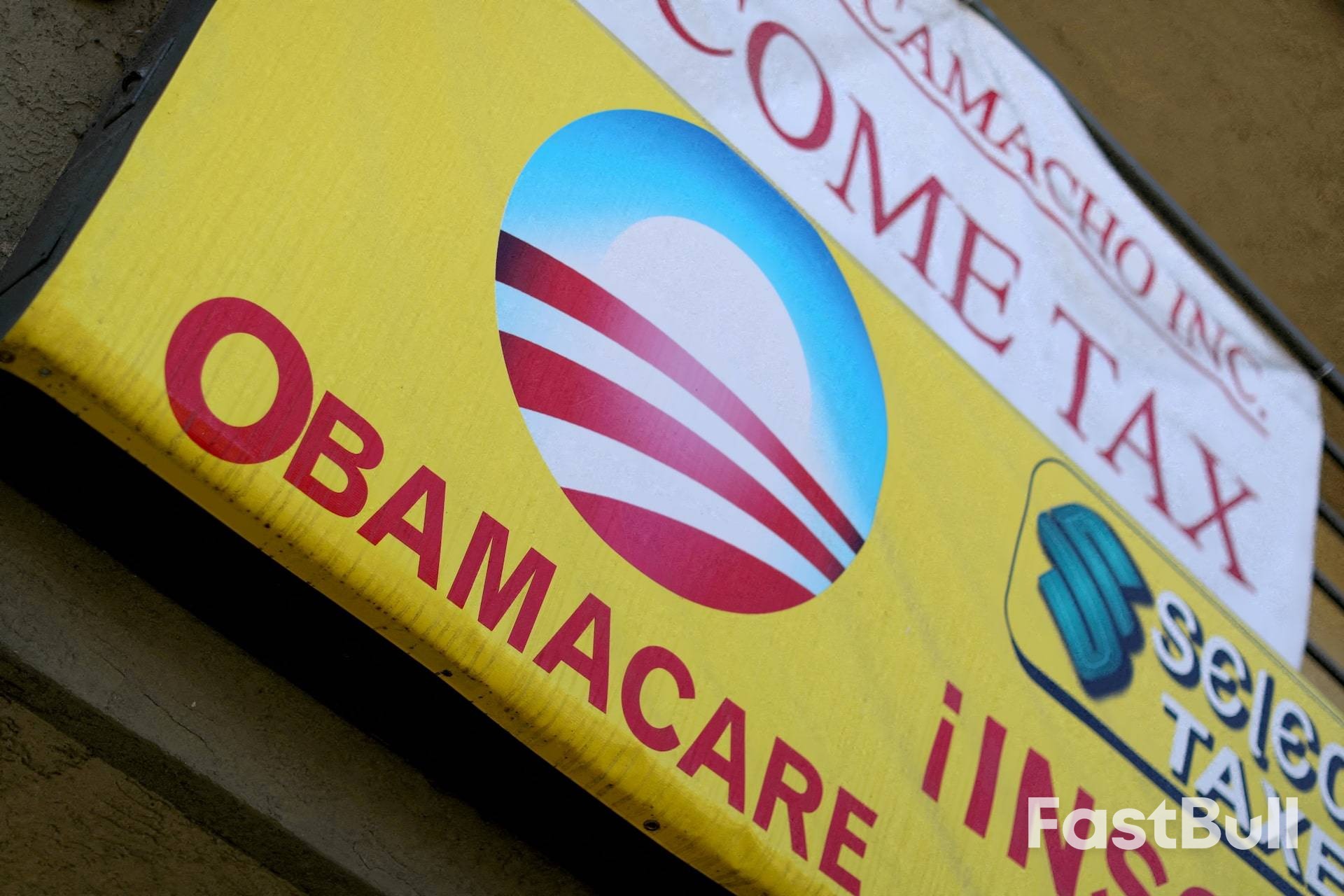
A storefront sign advertises insurance plans under the Affordable Care Act, also known as Obamacare.
A Looming Price Shock for Millions
In 2025, approximately 24 million people were enrolled in Obamacare plans, with about 22 million of them receiving subsidies to lower their monthly premiums. Without these subsidies, the average premium is projected to more than double, jumping from $888 in 2025 to $1,904 in 2026, according to analysis from health policy firm KFF.
Cynthia Cox, a senior vice president at KFF, warned that such a dramatic cost hike will force households to make difficult trade-offs. Many may have to choose a less comprehensive insurance plan or drop their coverage entirely.
As of Monday, 22.8 million people had enrolled in plans through Healthcare.gov and state-run marketplaces. While most states have concluded their enrollment periods, eight states and Washington, D.C., have extended their deadlines.
States Scramble, But Can't Fill the Federal Gap
Several states, mostly led by Democrats, are preparing to cushion the blow by allocating their own funds. States pledging financial support include:
• Massachusetts
• California
• Colorado
• Connecticut
• Maryland
• New Mexico
However, state-level relief is unlikely to fully offset the loss of federal funding. Christina Cousart of the National Academy for State Health Policy noted that the size of the funding gap, combined with rising Medicaid costs, makes a complete state-level solution difficult.
Pennsylvania, for example, has considered allocating $50 million for relief—a fraction of the $600 million its residents received from federal subsidies. "The levels we had talked about are a drop in the bucket compared to the federal amount of money," said Devon Trolley, executive director of Pennsylvania's marketplace.
Notably, many Republican-controlled states that do not plan to offer financial relief have populations that benefited most from the federal subsidies, primarily because those states opted not to expand Medicaid under the ACA. Eight of the top ten states with the highest share of residents receiving ACA subsidies are Republican-led and voted for Donald Trump: Florida, Georgia, Texas, Mississippi, South Carolina, Alabama, Tennessee, and North Carolina.
Washington Gridlock: Can Congress Strike a Deal?
A retroactive extension of the federal subsidies remains a possibility, but negotiations in Congress are stalled. A bipartisan group of senators is attempting to broker a deal, with Republican Senator Bernie Moreno of Ohio stressing the urgency of reaching an agreement by the end of January.
Democratic Senator Tim Kaine of Virginia said a deal has a "fighting chance" but is being held up by disagreements over the bill's text. A primary point of contention is abortion, with lawmakers debating whether Obamacare plans are in strict compliance with the Hyde Amendment, which prohibits the use of federal funds for the procedure.
Meanwhile, President Donald Trump stated he would announce a healthcare affordability framework this week, signaling that rising healthcare costs are set to be a major issue in the upcoming election.
The Ripple Effect on Insurance Markets and Enrollment
Experts caution that the current 2026 enrollment figures may be inflated, as they include individuals who were automatically re-enrolled but may later lose coverage for non-payment if costs rise.
Michele Eberle, executive director of the Maryland Health Benefit Exchange, explained that insurers cannot cancel these renewed plans for 90 days. "We won't know if they're truly terminated for non-payment of premiums until the beginning of April," she said.
If Congress does manage to extend the subsidies and create a special enrollment period, it could stabilize the insurance market. Lower costs would attract more healthy individuals, balancing the risk pool for insurers. Marty Anderson, an executive at Group Health Cooperative of South Central Wisconsin, noted that his plan is already reaching out to the 30% of its members who have not yet paid their January premiums.
According to Anderson, even a last-minute extension of the subsidies would benefit insurers heading into 2027 by ensuring a healthier, larger pool of enrollees, which helps keep future rates down.


