
German Factory Orders Surge, Hinting at Recovery
 Michael Ross
German factory orders unexpectedly surged in December, signaling a potential manufacturing rebound despite economic headwinds.
German factory orders posted an unexpected and dramatic increase in December, rising at the fastest rate in two years and signaling a potential rebound for the nation's critical manufacturing sector.
Demand surged by 7.8%, a figure that far outpaced all predictions from a Bloomberg survey of economists, whose median estimate was a 2.2% decline. According to the statistics office, this marked the fifth consecutive monthly gain. Even excluding large-scale orders, the metric still would have climbed by 0.9%.
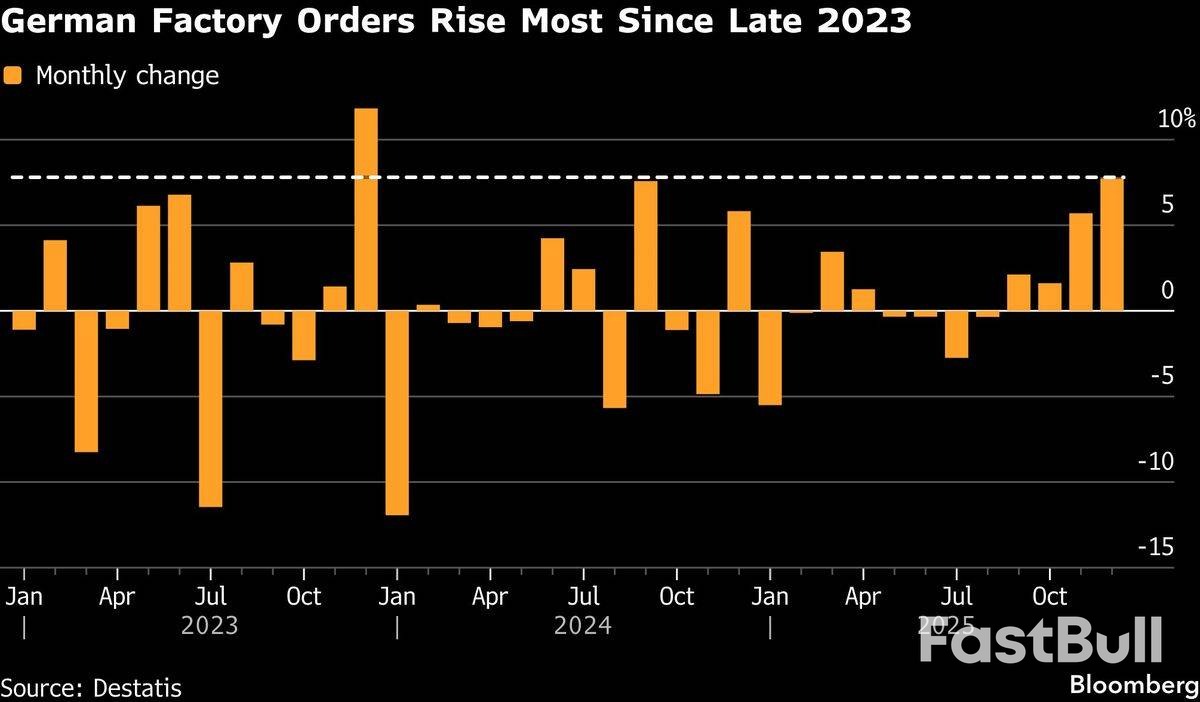
Figure 1: German factory orders showed a significant monthly increase in late 2025, defying previous periods of volatility and contraction.
An Economy Seeking Sustainable Growth
A revival in industrial activity is widely seen as essential for a lasting recovery in Europe's largest economy, which managed to narrowly avoid a triple-dip recession in 2025. Chancellor Friedrich Merz has labeled the country's recent growth as "unsatisfactory" and made its revival a key priority.
The government is forecasting gross domestic product to expand by 1% this year, largely driven by increased spending on infrastructure and defense. Some institutions are more bullish; the Bundesbank anticipates stronger growth, and Deutsche Bank has projected a 1.5% expansion.
Support is also expected from the delayed impact of previous interest-rate cuts by the European Central Bank. ECB officials are set to conclude their first policy meeting of 2026 on Thursday, with no changes to borrowing costs anticipated.
Persistent Risks and Structural Challenges
Despite the positive data, Germany's economy still faces significant headwinds. Key risks include potential disruptions from US President Donald Trump's trade policies and intensifying competition from China.
Internally, the country continues to grapple with long-standing structural issues, such as excessive bureaucracy and a shortage of skilled workers. Bundesbank President Joachim Nagel, along with many economists, has urged Chancellor Merz to act on promises to cut red tape and enhance the nation's competitiveness.
Domestic Demand Fuels the Jump
The German Economy Ministry confirmed in a statement that the surge in factory orders was primarily driven by domestic demand.
"For several months now, large domestic orders... have been causing fluctuations in monthly orders," the ministry explained, citing public procurement for the modernization of the German armed forces and orders related to the Special Fund for Infrastructure and Climate Neutrality.
In contrast, the ministry noted that "the order intake from abroad has tended to be weaker and subject to greater fluctuations in view of trade and geopolitical uncertainties."
A Mixed Picture Across Europe
Looking ahead, German industrial production figures are scheduled for release on Friday, with economists expecting a modest decline of 0.3%.
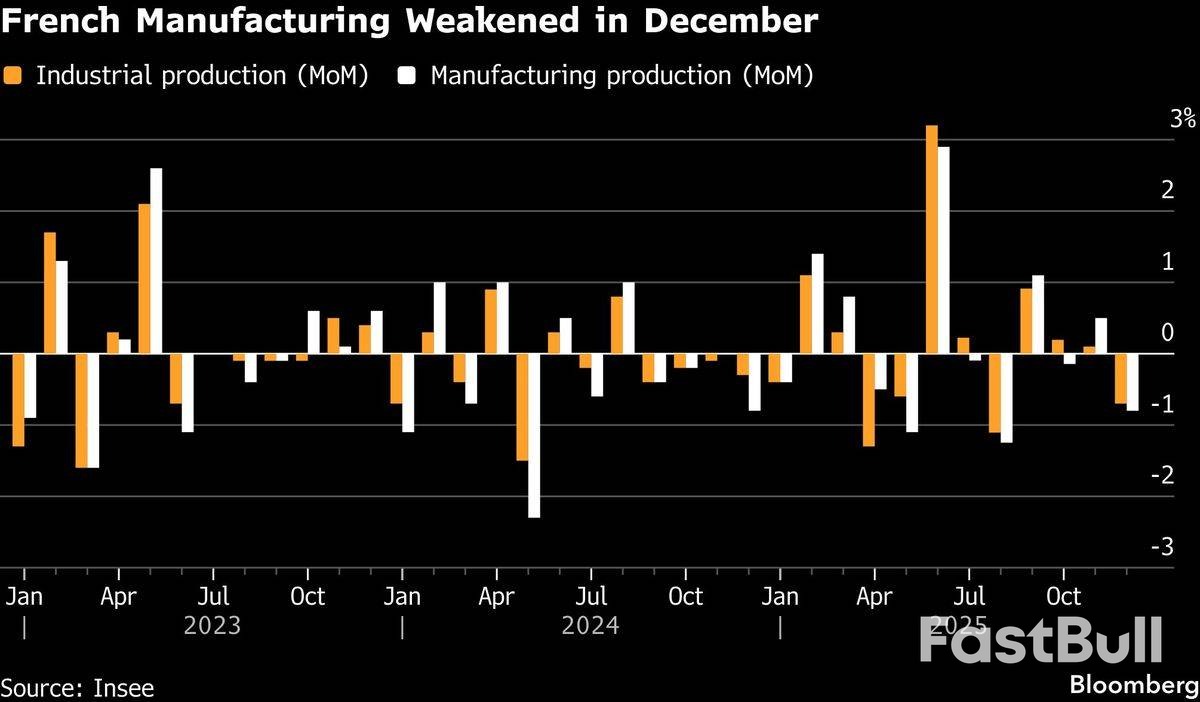
Meanwhile, separate data from neighboring France painted a different picture for December. According to the Insee statistics office, French manufacturing weakened, with both industrial and factory production falling month-over-month due to a slump in aeronautical manufacturing.