

Fed Holds Back on Rate Cuts Amid Stubborn Inflation
 King Ten
The Federal Reserve, cautious from past inflation missteps, holds rates steady amid internal debate on policy.
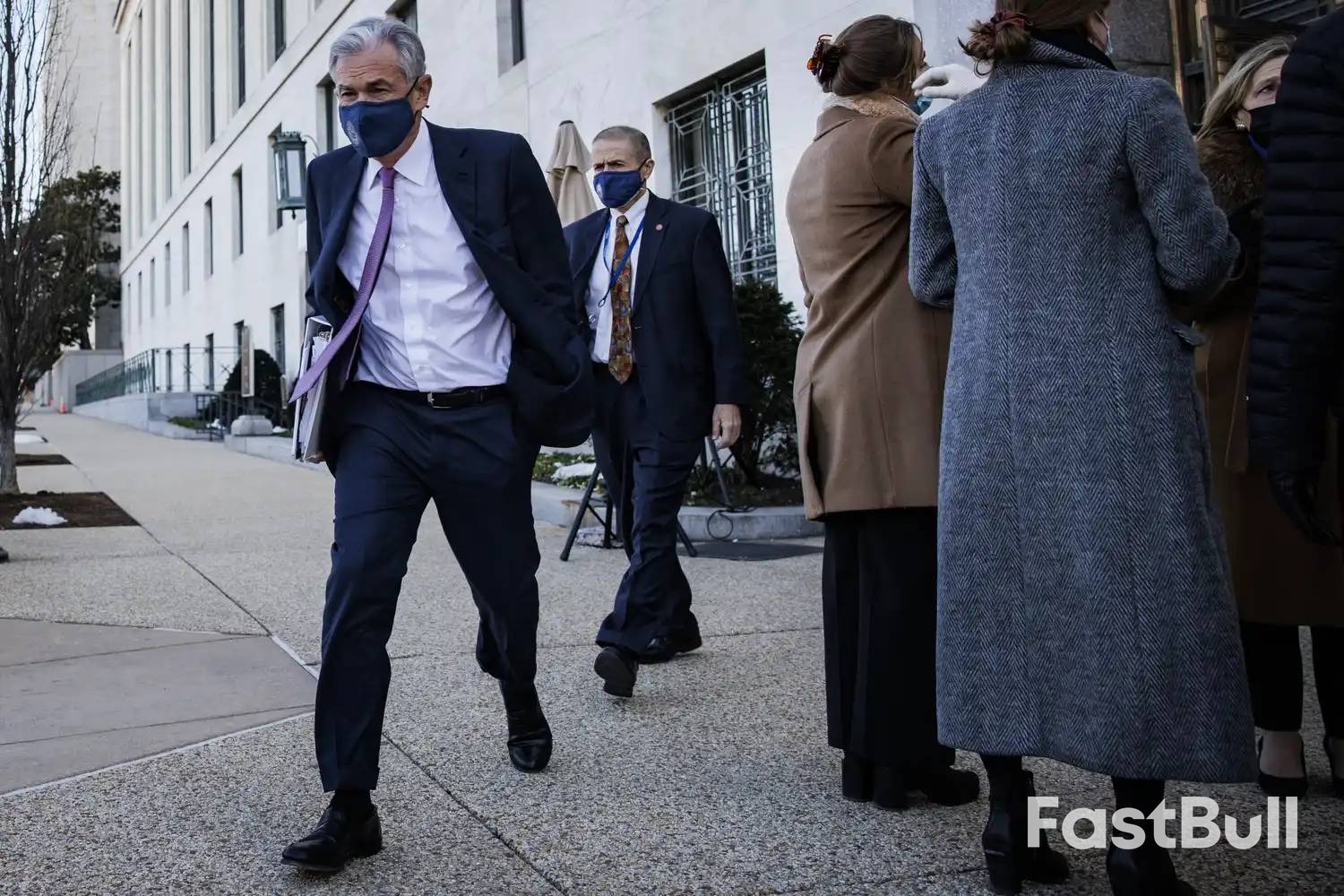
Federal Reserve officials are holding firm on interest rates, signaling that the fight against inflation isn't over yet. Despite significant progress since the historic price spikes of 2022, inflation remains stubbornly above the central bank's 2% target, creating a cautious atmosphere around future policy decisions.
Here's what you need to know:
• Rate Cuts on Pause: The Fed chose not to lower interest rates at its last meeting, prioritizing the battle against inflation which has lingered above 2% since 2021.
• Post-Pandemic Shadow: The unexpected inflation surge that began in 2021 continues to heavily influence the Fed's strategy, prompting a more measured approach.
• Inflation vs. Jobs: Officials are weighing the dual risks of persistent inflation against a cooling job market, leading to different opinions on the right time to ease policy.
The Fed's Persistent Inflation Problem
The aftershocks of the post-pandemic economy are still a primary concern for the Federal Reserve. While the Consumer Price Index has cooled considerably to a 2.7% annual increase in December—a sharp drop from its 9% peak in 2022—it has not yet returned to the Fed’s 2% goal.
This persistent inflation prompted the Federal Open Market Committee (FOMC) to keep its key interest rate steady last month. The decision followed three consecutive quarter-point cuts designed to support the job market, but officials have indicated that inflation worries prevented another reduction.
The federal funds rate is a critical tool for the central bank, influencing borrowing costs across the economy. The FOMC raises rates to curb inflation and lowers them to stimulate economic activity and employment.
A Split View on the Path Forward
Inside the Fed, a debate is unfolding over which risk is greater: inflation staying too high or the job market weakening too much.
Thomas Barkin, president of the Federal Reserve Bank of Richmond, emphasized the need for vigilance. "While we've made a lot of progress on inflation, it still remains above our target," Barkin said in a speech Tuesday. "That's been the case since 2021." He cautioned against blaming one-off factors like tariffs or lags in housing cost data, stating, "I take this sustained miss seriously."
Raphael Bostic, president of the Atlanta Fed, shared this cautious sentiment. "My concern for the past three or four years has been that inflation is too high," he told CNBC last week. "We've made good progress, but for the last two years or so we've been kind of stuck... I would say that we should be waiting and be more patient."
However, not all officials agree. Fed Governor Michelle Bowman expressed confidence that inflation would reach the 2% target soon and suggested the central bank should cut its key rate three times in the next year.
"I recognize and appreciate that other FOMC members may be concerned that inflation remains somewhat elevated," Bowman said. "However, absent a clear and sustained improvement in labor market conditions, we should be ready to adjust policy to bring it closer to neutral." She also noted she would not "immediately" react to a high January inflation report, as the data can be skewed by seasonal adjustments.
Lessons From the 2020 Miscalculation
The Fed's current caution is sharpened by recent history. Newly released transcripts from FOMC meetings in early 2020, made public after a five-year delay, reveal that officials were caught completely off guard by the inflationary wave that followed the pandemic.
In an emergency meeting on March 15, 2020, policymakers viewed mass unemployment and disinflation—falling prices—as the primary economic threats. They slashed interest rates to nearly zero, with then-Governor Richard Clarida stating, "The net effect of the virus is likely to be disinflationary, not inflationary." San Francisco Fed President Mary Daly added at the time, "Even when the pandemic abates, inflation is going to be an ongoing concern."
This misjudgment is a fresh memory for the seven current FOMC members who were present in 2020, including Barkin.
"Inflation spiked, helping us remember a painful lesson from the '70s—just how much we all hate inflation," Barkin said this week. "It feels unfair, it creates uncertainty, and frankly it's just exhausting."
Given this history, the market widely expects the FOMC to hold rates steady through its next two meetings. According to the CME Group's FedWatch tool, traders are pricing in a 66% probability of the first rate cut occurring in June.


