

ECB Holds Rates at 2%, Brushes Off Inflation Concerns
 Alexander
The ECB maintained its key deposit rate at 2.00%, emphasizing economic strengths and dismissing inflation concerns, signaling no rate changes through 2027.
The European Central Bank (ECB) has decided to keep its key deposit rate steady at 2.00%, a move widely anticipated by markets and analysts. In her statements, President Christine Lagarde chose to highlight the economy's bright spots, such as low unemployment, while downplaying concerns over slowing inflation and a stronger euro.
This analysis maintains the forecast that the ECB will hold the deposit rate at 2.00% through both 2026 and 2027.
Economic Strengths Over Inflation Worries
The ECB's official press release was brief and echoed its December guidance. The bank's commentary focused on positive economic indicators, including robust private balance sheets, rising public spending, and a tight labor market. This optimistic framing came even as inflation fell to 1.7% in January.
During the subsequent press conference, Lagarde continued this narrative, giving little attention to negative factors like trade tariffs. She attributed the recent drop in inflation primarily to energy base effects and other one-off factors. Lagarde stressed that underlying inflation indicators remain stable and that most medium-term inflation expectations are anchored at the 2% target.
She also noted that the ECB has long projected inflation to be below 2% in 2026. The 1.7% figure for January, while lower than December's projection, was consistent with September's staff forecasts. This signals a clear preference for maintaining the current deposit rate, even with inflation currently below target.
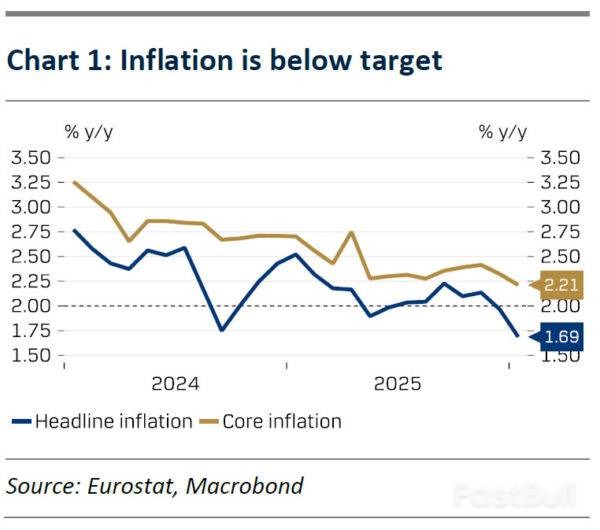
Figure 1: Eurozone inflation trends show headline inflation dipping below the ECB's 2% target, a key factor in the bank's recent policy discussions.
Lagarde Unfazed by Stronger Euro
Addressing the euro's exchange rate, Lagarde clarified that the ECB does not target specific rates but does acknowledge their impact on inflation. She confirmed that the governing council had discussed the euro's movements, particularly against the U.S. dollar.
However, she observed that the appreciation has been ongoing since March and that recent developments have not triggered any specific concerns. Lagarde stated that the impact of a higher EUR/USD is already incorporated into the bank's baseline projections. Her overall tone on the currency's strength was neutral, effectively downplaying its significance as expected.
What's Next? Repo Line Reforms on the Horizon
Lagarde also signaled that the ECB is preparing to reframe its repo lines, with a formal announcement expected within days. The goal is to improve access and make these facilities more attractive to national central banks located outside the euro area and Europe, enhancing their global utility.
Forecast: No Rate Changes Through 2027
Looking ahead, the forecast remains for the ECB to hold its deposit rate at 2.00% throughout 2026 and 2027. The combination of better-than-expected growth and declining unemployment reduces the pressure for rate cuts in 2026, despite inflation running below the bank's target.
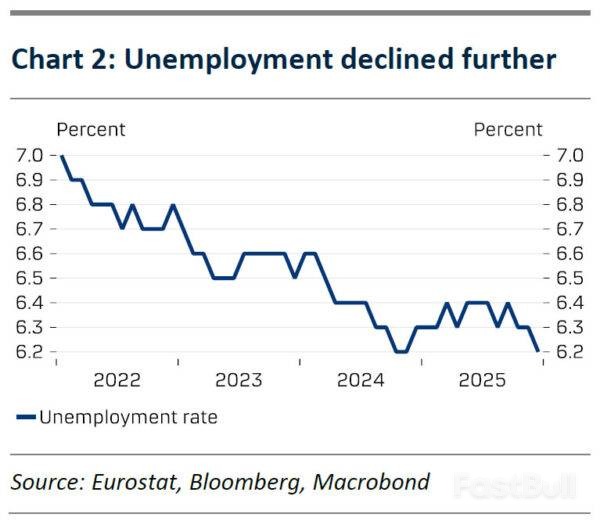
Figure 2: A steady decline in the unemployment rate underpins the ECB's confidence in the economy's underlying strength.
At the same time, with inflation also projected to stay below target in 2027, rate hikes are considered unlikely. From a strategic perspective, this outlook—combining a positive growth forecast, a tight labor market, and increased public spending in countries like Germany—supports a payer bias in the short end of the EUR swap curve.


