

Cuba Turns to Solar Power Amid US Fuel Blockade
 Ukadike Micheal
Cuba, facing severe US-induced fuel shortages, unveils a national plan to boost renewable energy and domestic oil production.
Cuba is set to implement a new national plan to manage severe fuel shortages after the United States moved to block supplies to the island nation. President Miguel Diaz-Canel announced the strategy, which focuses on renewable energy and increasing domestic production to maintain essential services.
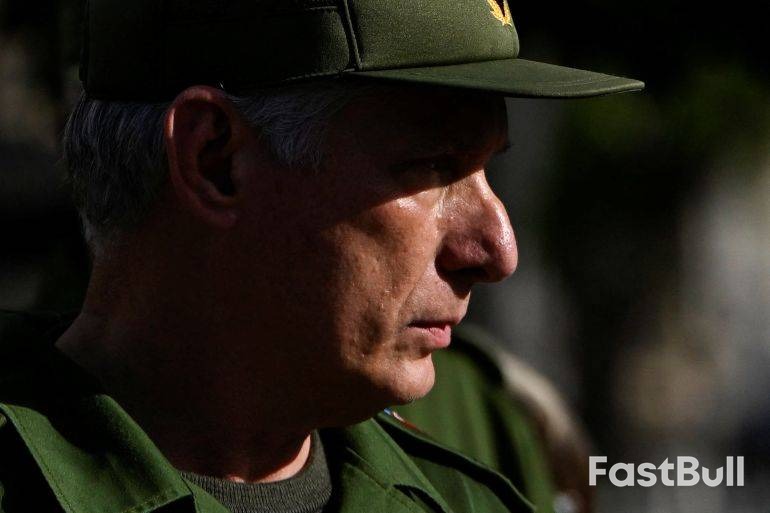
Cuban President Miguel Diaz-Canel announced a new plan to address the country's severe fuel shortages.
The situation has grown increasingly difficult, with President Diaz-Canel describing the US stance as "aggressive and criminal." The shortages have triggered rising food and transportation costs and led to blackouts across the country, affecting everything from hospitals and schools to tourism and food production.
A National Plan for Energy Resilience
To counter the fuel crisis, Cuba's government plans to leverage renewable resources and boost its own energy infrastructure. Key elements of the strategy include:
• Expanding Solar Power: The nation will ramp up its solar generation capabilities to provide electricity for critical facilities like hospitals, elderly care centers, and remote regions. Cuba already produces approximately 1,000 megawatts from solar panels, accounting for 38% of its daytime electricity, largely thanks to installations supported by China over the last two years.
• Boosting Domestic Oil Production: Efforts are underway to increase Cuba's crude oil extraction and expand its storage capacity, aiming for greater self-sufficiency.
• Securing Imports: Despite the challenges, Diaz-Canel affirmed Cuba's "right" to receive fuel shipments by sea and stated that the government will continue all necessary steps to ensure imports can resume.
In a two-hour televised press conference, the president acknowledged the difficulty of the situation. "We are going to take measures that, while not permanent, will require effort," he said, adding that some plans would be restrictive and require adjustments in consumption and a focus on savings.
Economic Hardship and Diplomatic Tensions
The fuel shortage has had a direct impact on daily life. Last week, tensions escalated after the U.S. threatened tariffs on any country sending oil to Cuba. This followed a statement from U.S. President Donald Trump that Cuba would no longer receive oil from its primary supplier, Venezuela.
The strain on the country's infrastructure was highlighted by a recent substation failure that caused a complete blackout in five eastern provinces. "How do we till our soil? How do we move around? How do we keep our kids in classes without fuel?" Diaz-Canel asked.
On the diplomatic front, Cuban officials recently held a phone call with Russian Foreign Minister Sergey Lavrov, though no details were released. Meanwhile, Mexico has committed to sending humanitarian aid, including food, after President Trump asked the country to suspend its oil shipments to the island.
President Diaz-Canel reiterated Cuba's willingness to engage in dialogue with the United States, but only under specific conditions. "Cuba is willing to engage in dialogue, but with the sole demand that the US government not attempt to interfere in Cuba's internal affairs, nor undermine our sovereignty," he stated.
Confirming this, Cuba's top diplomat to the U.S., Carlos Fernandez de Cossio, told Reuters that communication with the U.S. government has begun, but a formal bilateral dialogue has not yet been established.


