

China's Trading Frenzy Sends Copper to Record High
 Daniel Foster
Copper surged to a record high, fueled by intense Chinese speculation despite weak fundamentals and macro tailwinds.
Copper just experienced its most explosive price surge in over 16 years, with a wave of speculative trading out of China pushing the industrial metal to an all-time high.
The rally has been dramatic. In a period typically dominated by Chinese market participants—starting at 2:30 a.m. London time—prices on the London Metal Exchange (LME) climbed more than 5% in less than an hour. The move pushed copper as high as 10.1% to trade above US$14,400 a tonne for the first time ever. The metal, a key component in nearly all electrical applications, is now up about 25% since the beginning of December.
Market analysts are pointing directly at speculative capital as the primary driver. "This is all driven by speculative funds," said Yan Weijun, head of nonferrous metals research at Chinese trader Xiamen C&D Inc. "It's likely all Chinese money given the surge is in Asian hours."
Speculative Volumes Hit Fever Pitch
The speculative frenzy is clearly visible in trading data from the Shanghai Futures Exchange (SHFE), China's premier commodities platform. Trading volumes for copper on Thursday were the second-highest on record. As of last week, January was already the busiest month ever for the SHFE's six base metals.
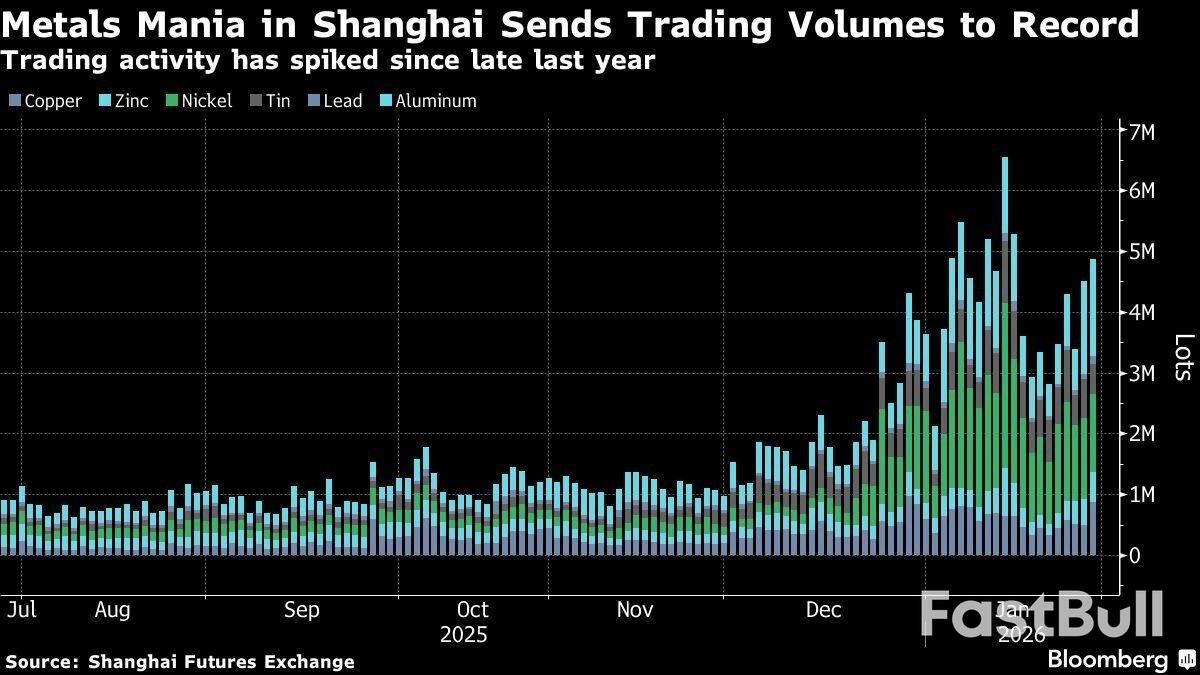
Figure 1: Trading volumes for base metals on the Shanghai Futures Exchange hit a record in January, driven by a surge in speculative activity across copper, aluminum, and other industrial metals.
This intense activity comes despite fundamentals that suggest caution. Demand for physical copper in China, which consumes about half of the world's supply, has shown signs of weakness. Furthermore, a widening contango on the LME signals that immediate supplies are ample, a condition that typically doesn't support sharp price increases.
The long-term bull case for copper remains popular among investors, who see rising demand from the energy transition and the expansion of data centers. However, the recent price action appears detached from these underlying trends.
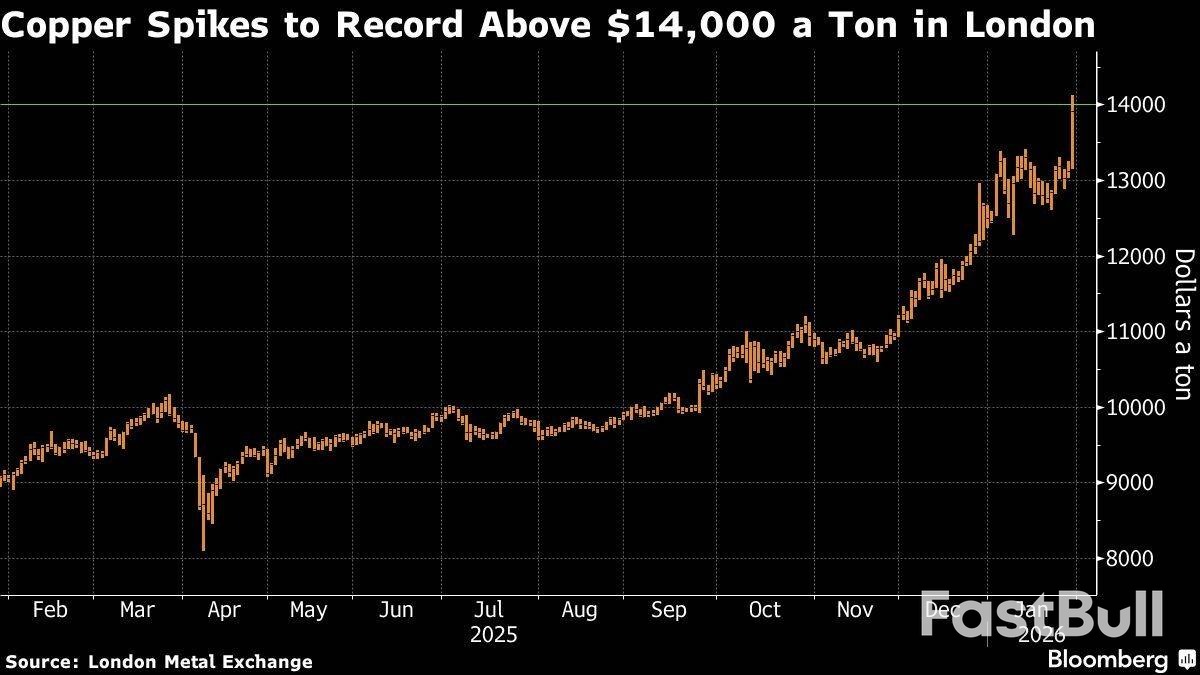
Figure 2: Copper prices on the London Metal Exchange (LME) broke above $14,000 per ton for the first time, capping a sharp rally that began in late 2025.
Macro Factors Fueling the Fire
The surge in copper is part of a broader commodities rally fueled by several macroeconomic factors:
• A Weaker U.S. Dollar: A gauge of the U.S. currency has fallen to its lowest level in over four years, making dollar-priced commodities more attractive to buyers using other currencies. President Donald Trump has signaled he is unconcerned by the dollar's weakness.
• Federal Reserve Speculation: With Fed Chair Jerome Powell's tenure ending in June, traders are speculating that his successor may be more dovish. This follows Powell's recent comments about a "clear improvement" in the U.S. economic outlook while keeping interest rates on hold.
• Demand for Hard Assets: Amid elevated geopolitical tensions and the Trump administration's assertive foreign policy, investors are increasing their exposure to real, physical assets.
"Commodities are taking turns to rally," noted Eric Liu, deputy general manager of ASK Resources Co. "Copper has been hovering around US$13,000 and funds have been brewing over the metal for some time."
Looking ahead, the outlook for copper remains linked to U.S. policy. "Under the cycle in which the US maintains interest-rate cuts, the expectation for upward movement in copper prices has not changed," said Chi Kai, Chief Investment Officer at Shanghai Cosine Capital Management Partnership. He added that as long as the U.S. continues to push artificial intelligence, chips, and power infrastructure, there is no clear ceiling on how high prices can go. This sentiment is reinforced by plans like Tesla Inc.'s US$20 billion investment in robotics and AI, which would benefit copper, aluminum, and tin.
A Broad Rally and Growing Risks
The rally isn't confined to copper. On the LME, aluminum rose 1.8% and zinc advanced 5%. In Singapore, iron ore futures gained as much as 2.5%.
However, some experts warn that the spectacular gains have outpaced real-world demand. Trina Chen, co-head of China equities at Goldman Sachs Group Inc., told Bloomberg TV that a "technical adjustment" is likely as physical buyers in China resist the higher prices.
As of the latest trading, copper was up 9.3% at US$14,301.50 a tonne on the LME, its largest intraday move since 2009. On the SHFE, futures hit 112,000 yuan a tonne in evening trading after closing up 5.8% earlier.


