

China Pivots to Iranian Oil Amid Venezuelan Supply Shock
 Ukadike Micheal
Chinese refiners pivot to discounted Iranian oil after U.S. disruption of Venezuelan supplies.
China's independent "teapot" refiners are strategically shifting their crude oil purchases, turning to discounted Iranian supplies to fill a major void left by the sudden disruption of Venezuelan oil exports. This pivot by the world’s largest crude importer follows a dramatic halt in shipments from the South American nation.
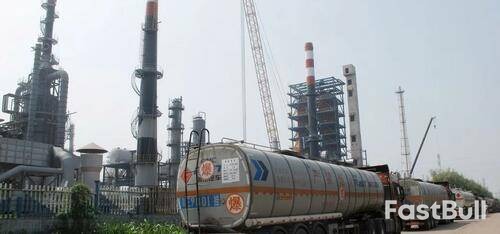
Figure 1: Chinese independent oil refineries are reportedly increasing purchases of discounted Iranian crude to offset disruptions in Venezuelan supply.
The Collapse of Venezuelan Supply
Venezuelan oil shipments to China effectively ceased after a series of events drastically altered the country's political and industrial landscape. The disruption began when US President Donald Trump imposed a blockade in December on Venezuelan oil tankers attempting to leave the country.
The situation reportedly escalated on January 3rd, when U.S. forces bombed the capital city of Caracas, abducted Venezuelan President Nicholas Maduro, and took control of the nation's oil sector. Washington subsequently announced it was placing Venezuela’s oil revenues into accounts in Qatar, to be controlled by the White House.
In the face of this uncertainty, the state-owned firm PetroChina has halted all its oil purchases from Caracas. While the White House has permitted global trading firms Vitol and Trafigura to sell up to 50 million barrels of Venezuelan oil, the direct flow to key Chinese buyers has been severed.
Iran Fills the Gap with Discounted Crude
In response to the supply vacuum, Beijing's independent refiners have ramped up their purchases of Iranian heavy crude. According to sources familiar with the matter, this oil is being sourced from bonded storage tanks within China and from ships, all at steep discounts.
Further Chinese purchases of Iranian Heavy and Pars crude grades are expected to continue through February and March. The primary driver is economic: with few willing buyers due to U.S. sanctions, Iran is offering its Heavy crude at a discount of about $12 per barrel.
A Shifting Global Oil Market
This pricing makes Iranian oil highly competitive. For comparison, Russian Urals crude also trades at a significant discount of $11 to $12 per barrel due to sanctions. Meanwhile, the Venezuelan crude being offered by Vitol with Washington's permission carries a much smaller discount of roughly $5 per barrel.
Before the disruption, China's imports from Venezuela were substantial, averaging 394,000 barrels per day (bpd) and accounting for around 4% of Beijing's total seaborne crude imports.
The geopolitical chessboard for energy continues to change. President Trump recently announced that India will begin purchasing Venezuelan oil, a move intended to help replace its Russian supplies amid U.S. tariff threats. This comes after New Delhi had previously stopped buying oil from Caracas last year after the Trump administration imposed a 25% tariff on countries doing so.
Ultimately, aggressive U.S. sanctions targeting Russia, Venezuela, and Iran have forced major energy consumers like China and India to constantly adapt their procurement strategies in a volatile global market.


