

ルイス氏との専門家Q&A:金取引におけるプロセスを体系化し、「過信」を抑制する
 ファストブル
概要:
金の短期取引は直感の芸術か、それとも厳密な科学か?今回のエピソードでは、Forexifyのリードライターであり、アルゴリズム戦略ポートフォリオの専門家であるルイス氏に話を伺います。台湾先物取引所で最高賞を受賞したルイス氏が、この18日間のスプリントにおける勝利へのロードマップを解説します。
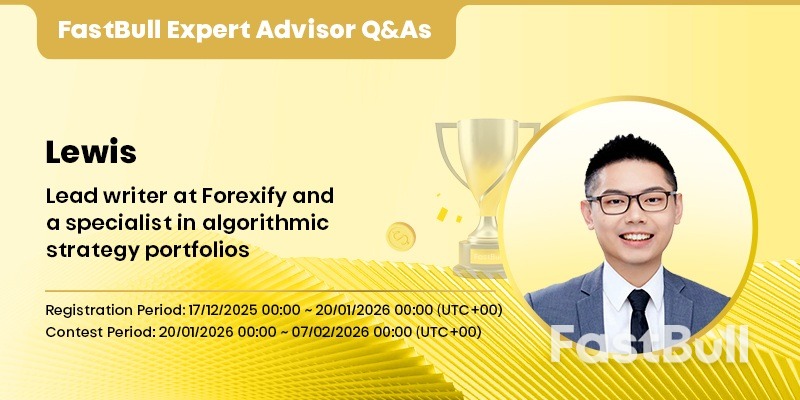
金の短期取引は直感の芸術か、それとも厳密な科学か?今回のエピソードでは、Forexifyのリードライターであり、アルゴリズム戦略ポートフォリオの専門家であるルイス氏に話を伺います。台湾先物取引所で最優秀賞を受賞したルイス氏は、この18日間のスプリントにおける勝利へのロードマップを次のように解説します。
✅ 重要な洞察:
戦略の選択:競争環境においては、高回転短期戦略がスイングトレードよりも優れています。
勝利のツール:指標を 1 つに限定する場合、移動平均と価格ブレイクアウトを組み合わせると、最も信頼性の高い優位性が得られます。
致命的な落とし穴:「自信過剰」に注意してください。過度の偏見によるポジション管理の誤りは、アカウントを破滅させる最も早い方法です。
専門家のアドバイス:リスクの高いギャンブルはやめ、取引を合理的で科学的なワークフローに変えましょう。
トレードワークフローをテストする準備はできていますか?2026年FastBull GOLD Global S1への登録はまもなく締め切られます!コンテストは1月20日開始です!
ルイスのインタビューの翻訳:
Q1: ルイスさん、こんにちは。FastBullのインタビューにご参加いただきありがとうございます!2026 FastBull GOLD Global S1短期金取引コンテストの「トレーディングエキスパートアドバイザー」として、トレーダーにとってこのような取引コンテストの最大の価値は何だとお考えですか?
トレーディングコンテストの最大の価値は、トレーダーがリアルタイムで戦略を練習し、テストする機会にあると私は考えています。コンテストという比較的プレッシャーのかかる環境は、トレーダーがトレード中のマインドセットが安定しているかどうかを迅速に評価し、戦略の実行を評価する機会となります。実際、トレーダーは自分のトレードロジックとスタイルが自分の性格やトレードアプローチに本当に合っているかどうかを振り返る機会にもなります。まさにこの点において、トレーディングコンテストはトレーダーに大きなメリットをもたらすと言えるでしょう。
Q2: 大会はわずか18日間です。トレーダーは最初の数日間は市場の雰囲気を掴むために取引を増やすべきでしょうか、それとも市場の方向性を見極めるために取引を減らすべきでしょうか?
2つ目の質問についてですが、大会はわずか18日間しか続かないため、最初の数日間は資産全体のトレンドの方向性を明確に分析することが鍵となると思います。例えば、取引資産としての金の場合、短期、中期、長期といった異なる時間枠でトレンドが一致しているかどうかを判断することが不可欠です。これらの時間枠でトレンドの方向性が一貫していない場合、大会期間中にレンジ相場戦略を採用すべきか、トレンドフォロー型のブレイクアウト戦略を採用すべきかという判断に大きな影響を与える可能性があります。
Q3: バックテストの経験に基づいて、短期の金取引で 1 つのテクニカル指標だけに頼ることができるとしたら、どれをお勧めしますか?
For the third question, if I had to choose only one technical indicator for short-term gold trading, I would recommend using moving averages. In simple terms, moving averages still provide a relatively stable directional guide. By combining moving averages with some basic price action breakout techniques, we can capture decent trading opportunities during a strong upward trend in gold.
Q4: You have developed many algorithmic trading strategies. In the context of the competition, what are the key criteria for selecting strategies?
As for the strategies I've developed, in the context of a competition, I believe the key criterion for selecting strategies is their turnover rate. In other words, does the strategy allow us to execute more trades and create more opportunities within a short time frame? Since competitions are based on results achieved in a limited period, we can't afford to rely on longer-term strategies. Instead, we should focus on short-term strategies that provide more frequent trading opportunities.
Q5: Do short-term competitions help to test the effectiveness of algorithmic strategies? Why or why not?
Next, regarding whether short-term competitions are suitable for testing the effectiveness of algorithmic strategies, I believe short-term competitions are somewhat limited in terms of evaluating a strategy's effectiveness. To be honest, trading is inherently a long-term endeavor. Even if the market conditions in the short term are unfavorable for your strategy, it doesn't mean that the strategy is ineffective in real trading. We still need to understand how a strategy behaves during various market conditions, including bullish, bearish, or range-bound phases. Evaluating it in this manner is much more reasonable.
Q6: What realistic expectations should participants have about algorithmic trading after this competition?
For the next question, about what realistic expectations participants should have regarding algorithmic trading after this competition, I think this competition provides an opportunity for traders to turn their trading strategies into a rational, scientific process. In practice, you can gain a more logical expectation from trading, where you can clearly define your entry and exit points. For me, trading strategies are essentially a set of steps that guide the execution of trades. So, this competition could help you solidify the idea of turning trading into a process, making it a more comfortable and systematic experience.
Q7: In a short-duration competition with clear rules, what do you think is the most common mistake traders make?
7番目の質問についてですが、明確なルールを持つ短期トレードにおいてトレーダーが犯す最も一般的なミスについてですが、最大のミスは自信過剰であると言えるでしょう。簡単に言えば、トレーダーは資産の方向性やポジションに過度に自信を持つようになり、リスク管理が不十分になり、適切な損切り設定ができなくなります。これは、取引口座に多大な損失をもたらす可能性があります。
Q8: 競技中に一貫したパフォーマンスを維持できるように参加者に一般的なアドバイスを 1 つ与えるとしたら、何を強調しますか。
最後に、大会期間中、参加者の皆様が安定したパフォーマンスを維持するためのアドバイスを一つ挙げるとすれば、それはプロセスの重要性です。多くのトレーダーは、大会の競争的な性質上、ハイリスクな取引をせざるを得ないと感じるかもしれません。しかし、ハイリスクな取引は往々にして高リターンという非現実的な期待を伴い、持続不可能な結果を招く可能性があります。重要なのは、取引プロセスを着実に保ち、戦略を体系的に実行することに集中し、規律を保つことだと私は考えています。これは、大会で安定したパフォーマンスと結果を達成する上で、非常に有益となるでしょう。
私はForexifyのルイスです。皆さんのコンテストでの幸運を祈っています!
著作権 © 2026 FastBull Ltd
ニュース、過去のチャートデータ、及び企業の基本データはFastBull Ltdによって提供されています。
「リスク警告と投資免責事項」
あなたはトレードにおける戦略には高いリスクがあることを理解し認識する必要があります。 戦略や投資方法に従うことは損失の可能性があります。 このサイトのコンテンツは情報提供のみを目的として投稿者およびアナリストによって提供されています。投資目的と財務状況に基づいて、取引資産、証券、戦略、またはその他の製品があなたに適しているかどうかを判断する責任はあなただけにあります。


